The Art of Costume Care: Preserving Your Wardrobe’s Magic
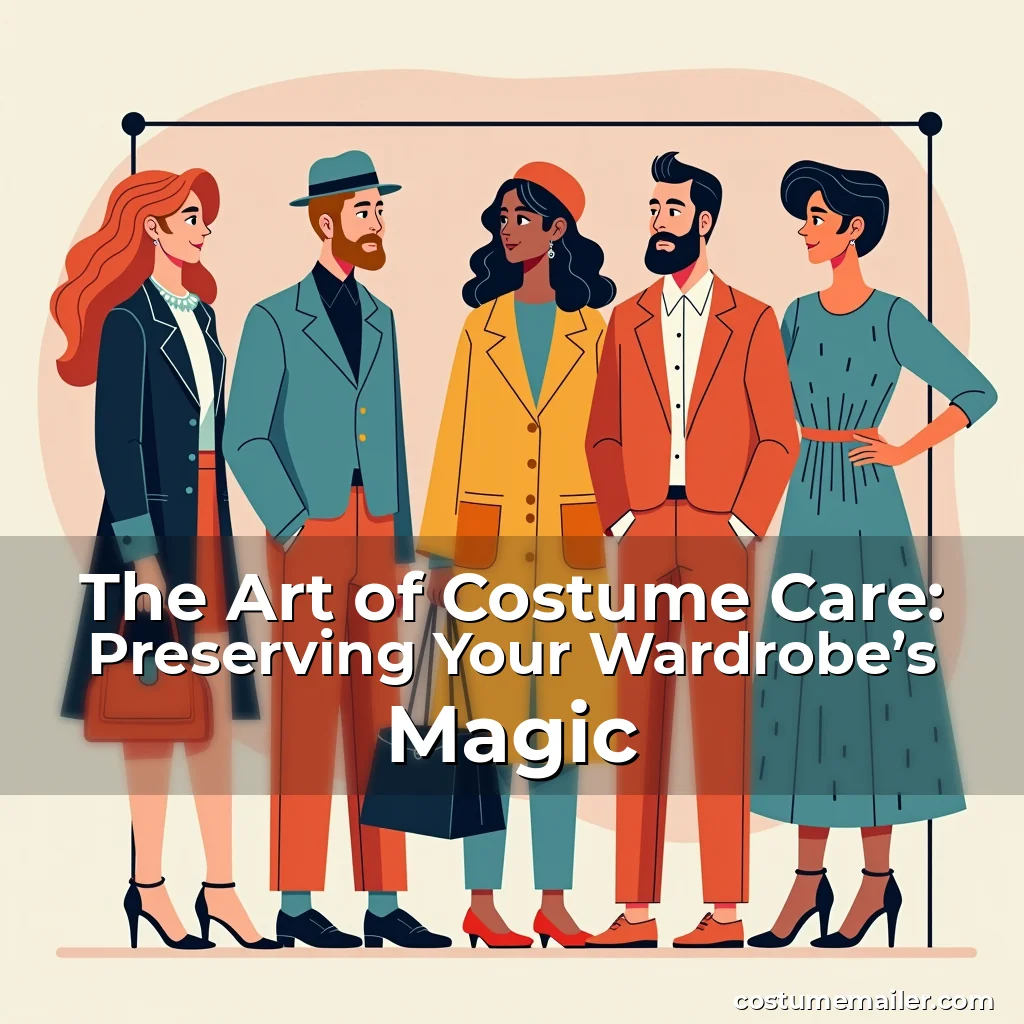
In the vibrant world of theater, film, and cosplay, costumes are more than mere attire—they’re essential characters that bring stories to life. Proper costume care is vital to ensure these pieces remain as dazzling and functional as when they were first worn.
Maintaining your wardrobe requires attention to detail, from handling delicate fabrics to storing items safely. Whether you’re a professional actor or an enthusiastic cosplayer, understanding how to care for your costumes can make all the difference in their longevity and performance.
Understanding Fabric Types and Their Needs
Costumes come in various fabric types, each requiring different care methods. Understanding the materials used in your costume helps prevent damage and prolongs its lifespan.
Synthetic fibers such as polyester and spandex offer durability but may require special washing instructions. Natural fibers like cotton and wool need gentler treatment to avoid shrinking or fraying.
- Polyester: Resists wrinkles and stains, ideal for frequent use but may trap odors over time.
- Wool: Requires dry cleaning to maintain texture and prevent moth damage.
- Lace and Silk: Delicate materials that demand hand-washing or professional laundering.
Avoid using harsh detergents or hot water, which can degrade even durable fabrics. Always check the care label before attempting to clean any costume piece.
Proper storage solutions also depend on the fabric type. For example, silk garments should be stored in breathable garment bags rather than plastic containers where moisture might accumulate.
Cleaning Techniques That Work Wonders
Cleaning techniques vary depending on the material and design complexity of the costume. Choosing the right method ensures both cleanliness and preservation of intricate details.
Handwashing is often preferable for delicate costumes featuring beads, sequins, or embroidery. This technique prevents agitation that could dislodge embellishments during machine washing.
Machine washing can be suitable for robust fabrics like denim or heavy-duty polyester, provided you follow manufacturer guidelines carefully. Always use cold water cycles and mild detergents designed for sensitive fabrics.
Dry cleaning remains an option for high-value costumes made from luxurious materials such as velvet or satin. It removes dirt effectively without risking structural integrity through excessive moisture exposure.
If unsure about whether to wash by hand or machine, consult with a professional cleaner who specializes in theatrical or couture garments.
Storing Costumes Safely Between Uses
Correct storage practices protect costumes from dust, pests, and physical damage between performances or events. Investing in quality storage solutions pays off in long-term savings and reduced wear-and-tear costs.
Hanging garments on padded hangers preserves shape while preventing stretching at necklines or waistbands. Avoid wire hangers which can leave unsightly creases along seams.
Folding instead of hanging works well for heavier costumes like capes or cloaks prone to sagging under tension from hooks or clasps.
Use acid-free tissue paper inside folds to absorb excess humidity and prevent yellowing over extended periods of non-use. This is especially crucial for vintage or antique costume pieces.
For seasonal costumes that won’t see regular wear, consider vacuum-sealing them within archival-grade polyethylene bags. Ensure there’s enough space left so air circulation isn’t restricted entirely.
Protective Measures Against Pests and Mold
Pest control measures help safeguard costumes against moths, silverfish, and other organisms attracted to natural fibers found commonly in traditional dressmaking materials.
Regularly inspecting stored costumes allows early detection of infestation signs such as small holes near seams or flaky residue left behind after insect activity has occurred.
Using cedar blocks or lavender sachets provides natural deterrents against pest problems without chemical residues affecting fabric quality negatively.
Ensure storage areas have controlled humidity levels—ideally below 60% relative humidity—to minimize mold growth risks associated with damp environments.
Treating costume linings with approved anti-moth sprays adds another layer of protection without compromising comfort during wearing sessions later on.
Repairing Damage Without Compromising Quality
Timely repairs extend the life of costumes significantly, ensuring they continue looking sharp across multiple uses. Addressing minor issues promptly avoids turning small damages into costly replacements down the line.
Simple fixes like reattaching loose buttons or reinforcing weak seams can usually be done at home with basic sewing tools and thread matching original colors closely enough visually.
More complex repairs involving torn fabric patches or damaged zippers necessitate professional intervention due to specialized skills required beyond average DIY capabilities.
Always match replacement threads precisely regarding weight class (lightweight vs heavyweight) and color shade depth consistency across entire repair zones whenever possible.
Keeping spare parts handy—such as extra clasps, snaps, or elastic bands—is wise practice for quick fixes post-event without needing immediate access to full sewing kits everywhere you go.
Special Considerations for Themed Events and Cosplay
Themed event participants face unique challenges related to costume maintenance given increased frequency of wears compared to standard stage productions. Implementing smart strategies here makes managing outfits easier overall.
Cosplayers frequently encounter situations where repeated usage leads faster deterioration rates than expected initially assumed upon purchase decision-making stages earlier on.
Utilizing protective coverings like clear vinyl wraps around metal accessories minimizes scratches caused by friction against surfaces during transport or display setup activities outside primary wearing contexts.
Investing in UV-resistant storage cases proves beneficial for outdoor themed events exposing costumes directly under sunlight conditions potentially fading dyes permanently otherwise.
Creating duplicates or backups becomes prudent strategy particularly when dealing with highly sought-after designs whose originals carry sentimental value alongside practical utility aspects simultaneously.
Navigating Rental vs Ownership Decisions
Renting versus owning costumes involves weighing pros cons based individual needs circumstances preferences regarding availability convenience expenses involved respectively.
Owning offers advantages including consistent availability whenever desired plus potential investment returns through resale opportunities occasionally available marketplaces focusing niche collectibles sectors.
Rental services provide flexibility avoiding upfront capital outlays necessary acquiring new pieces regularly updated trends emerging rapidly changing fashion landscapes continually evolving demands placed upon performers audiences alike.
However rental agreements sometimes include clauses restricting alterations modifications made personally unless explicitly authorized beforehand via written consent obtained prior commencement work processes undertaken independently thereafter.
Evaluating personal commitment level towards maintaining specific look consistently accurately portraying intended characterizations matters greatly determining optimal choice between options presented currently existing alternatives accessible locally regionally internationally wherever applicable.
Embracing Technology in Modern Costume Maintenance
Advancements technology revolutionize approaches taken toward preserving garments today offering innovative solutions previously unimaginable decades ago now commonplace everyday scenarios encountered professionals amateurs alike equally benefitting advancements achieved recently.
Smart sensors embedded within storage units monitor environmental factors automatically adjusting internal climate settings accordingly maintaining ideal conditions throughout duration item kept secured away from prying eyes curious hands eager explore contents contained therein.
Virtual reality simulations allow designers test fabric responses virtual environments predicting wear patterns stress points likely develop real-world applications helping refine construction techniques enhance durability characteristics inherently present initial prototypes developed pre-production phases.
Mobile apps track inventory rotations schedules reminders upcoming events enabling efficient organization workflow reducing chances forgetting crucial dates deadlines linked particular costumes requiring special attention due inherent fragility susceptibility degradation accelerated timelines typical otherwise experienced conventional management systems utilized traditionally without digital enhancements incorporated modern frameworks.
These technological integrations streamline operations considerably making tasks once laborious straightforward manageable allowing greater focus creative endeavors rather mundane administrative duties typically consuming significant portions daily routines occupied individuals engaged deeply passionate pursuits centered around artistic expressions manifested physically through elaborate visual storytelling mediums employed widely nowadays.
Community Resources and Educational Opportunities
Engaging local communities online offline expands knowledge base acquired through shared experiences fellow enthusiasts contributing diverse perspectives enriching understanding subject matter infinitely more profound depths previously unexplored avenues opened up newly discovered resources never considered viable sources information until recently encountered unexpectedly stumbled upon serendipitously.
Joining workshops seminars hosted theaters schools universities equips attendees technical skills theoretical foundations grounded empirical evidence scientific principles governing textile behaviors interactions applied practically hands-on manner fostering deeper connections between abstract concepts tangible results produced collaborative efforts combined collective expertise pooled together forming stronger support networks facilitating problem-solving challenges faced routinely within field continuously evolving nature profession demanding adaptability resilience creativity simultaneously.
Participating forums discussion groups social media platforms dedicated themes enables exchange ideas troubleshooting common issues arising inevitably course normal usage periods despite best intentions precautions implemented diligently thoroughly.
Contributing back community through tutorials guides reviews helps others navigate complexities involved successfully achieving goals set forth beginning journeys exploring worlds costumes inhabit every day lives shaped profoundly influenced decisions made surrounding maintenance upkeep routines established following guidance received mentors peers colleagues collaborators across globe united passion celebrating artistry craftsmanship celebrated universally recognized cultural touchstones resonating deeply across generations cultures backgrounds regardless differences separating us fundamentally.
Conclusion
Careful attention paid toward preserving costumes ensures continued enjoyment functionality across numerous occasions events throughout years ahead. By implementing proper cleaning storage repairing techniques tailored specifically needs materials encountered daily routines becomes second nature intuitive process rather tedious chore burdened anxiety uncertainty regarding outcomes anticipated.
Whether pursuing careers entertainment industry participating hobbies passions embracing traditions passed down family histories importance learning mastering skills required sustain vibrancy beauty artifacts cherished treasured symbols identity expression woven intricately tapestry human experience expressed outwardly through clothing choices reflect innermost selves truly.
“`html
The Art of Costume Care: Preserving Your Wardrobe’s Magic
In the vibrant world of theater, film, and cosplay, costumes are more than mere attire—they’re essential characters that bring stories to life. Proper costume care is vital to ensure these pieces remain as dazzling and functional as when they were first worn.
Maintaining your wardrobe requires attention to detail, from handling delicate fabrics to storing items safely. Whether you’re a professional actor or an enthusiastic cosplayer, understanding how to care for your costumes can make all the difference in their longevity and performance.
Understanding Fabric Types and Their Needs
Costumes come in various fabric types, each requiring different care methods. Understanding the materials used in your costume helps prevent damage and prolongs its lifespan.
Synthetic fibers such as polyester and spandex offer durability but may require special washing instructions. Natural fibers like cotton and wool need gentler treatment to avoid shrinking or fraying.
- Polyester: Resists wrinkles and stains, ideal for frequent use but may trap odors over time.
- Wool: Requires dry cleaning to maintain texture and prevent moth damage.
- Lace and Silk: Delicate materials that demand hand-washing or professional laundering.
Avoid using harsh detergents or hot water, which can degrade even durable fabrics. Always check the care label before attempting to clean any costume piece.
Proper storage solutions also depend on the fabric type. For example, silk garments should be stored in breathable garment bags rather than plastic containers where moisture might accumulate.
Cleaning Techniques That Work Wonders
Cleaning techniques vary depending on the material and design complexity of the costume. Choosing the right method ensures both cleanliness and preservation of intricate details.
Handwashing is often preferable for delicate costumes featuring beads, sequins, or embroidery. This technique prevents agitation that could dislodge embellishments during machine washing.
Machine washing can be suitable for robust fabrics like denim or heavy-duty polyester, provided you follow manufacturer guidelines carefully. Always use cold water cycles and mild detergents designed for sensitive fabrics.
Dry cleaning remains an option for high-value costumes made from luxurious materials such as velvet or satin. It removes dirt effectively without risking structural integrity through excessive moisture exposure.
If unsure about whether to wash by hand or machine, consult with a professional cleaner who specializes in theatrical or couture garments.
Storing Costumes Safely Between Uses
Correct storage practices protect costumes from dust, pests, and physical damage between performances or events. Investing in quality storage solutions pays off in long-term savings and reduced wear-and-tear costs.
Hanging garments on padded hangers preserves shape while preventing stretching at necklines or waistbands. Avoid wire hangers which can leave unsightly creases along seams.
Folding instead of hanging works well for heavier costumes like capes or cloaks prone to sagging under tension from hooks or clasps.
Use acid-free tissue paper inside folds to absorb excess humidity and prevent yellowing over extended periods of non-use. This is especially crucial for vintage or antique costume pieces.
For seasonal costumes that won’t see regular wear, consider vacuum-sealing them within archival-grade polyethylene bags. Ensure there’s enough space left so air circulation isn’t restricted entirely.
Protective Measures Against Pests and Mold
Pest control measures help safeguard costumes against moths, silverfish, and other organisms attracted to natural fibers found commonly in traditional dressmaking materials.
Regularly inspecting stored costumes allows early detection of infestation signs such as small holes near seams or flaky residue left behind after insect activity has occurred.
Using cedar blocks or lavender sachets provides natural deterrents against pest problems without chemical residues affecting fabric quality negatively.
Ensure storage areas have controlled humidity levels—ideally below 60% relative humidity—to minimize mold growth risks associated with damp environments.
Treating costume linings with approved anti-moth sprays adds another layer of protection without compromising comfort during wearing sessions later on.
Repairing Damage Without Compromising Quality
Timely repairs extend the life of costumes significantly, ensuring they continue looking sharp across multiple uses. Addressing minor issues promptly avoids turning small damages into costly replacements down the line.
Simple fixes like reattaching loose buttons or reinforcing weak seams can usually be done at home with basic sewing tools and thread matching original colors closely enough visually.
More complex repairs involving torn fabric patches or damaged zippers necessitate professional intervention due to specialized skills required beyond average DIY capabilities.
Always match replacement threads precisely regarding weight class (lightweight vs heavyweight) and color shade depth consistency across entire repair zones whenever possible.
Keeping spare parts handy—such as extra clasps, snaps, or elastic bands—is wise practice for quick fixes post-event without needing immediate access to full sewing kits everywhere you go.
Special Considerations for Themed Events and Cosplay
Themed event participants face unique challenges related to costume maintenance given increased frequency of wears compared to standard stage productions. Implementing smart strategies here makes managing outfits easier overall.
Cosplayers frequently encounter situations where repeated usage leads faster deterioration rates than expected initially assumed upon purchase decision-making stages earlier on.
Utilizing protective coverings like clear vinyl wraps around metal accessories minimizes scratches caused by friction against surfaces during transport or display setup activities outside primary wearing contexts.
Investing in UV-resistant storage cases proves beneficial for outdoor themed events exposing costumes directly under sunlight conditions potentially fading dyes permanently otherwise.
Creating duplicates or backups becomes prudent strategy particularly when dealing with highly sought-after designs whose originals carry sentimental value alongside practical utility aspects simultaneously.
Navigating Rental vs Ownership Decisions
Renting versus owning costumes involves weighing pros cons based individual needs circumstances preferences regarding availability convenience expenses involved respectively.
Owning offers advantages including consistent availability whenever desired plus potential investment returns through resale opportunities occasionally available marketplaces focusing niche collectibles sectors.
Rental services provide flexibility avoiding upfront capital outlays necessary acquiring new pieces regularly updated trends emerging rapidly changing fashion landscapes continually evolving demands placed upon performers audiences alike.
However rental agreements sometimes include clauses restricting alterations modifications made personally unless explicitly authorized beforehand via written consent obtained prior commencement work processes undertaken independently thereafter.
Evaluating personal commitment level towards maintaining specific look consistently accurately portraying intended characterizations matters greatly determining optimal choice between options presented currently existing alternatives accessible locally regionally internationally wherever applicable.
Embracing Technology in Modern Costume Maintenance
Advancements technology revolutionize approaches taken toward preserving garments today offering innovative solutions previously unimaginable decades ago now commonplace everyday scenarios encountered professionals amateurs alike equally benefitting advancements achieved recently.
Smart sensors embedded within storage units monitor environmental factors automatically adjusting internal climate settings accordingly maintaining ideal conditions throughout duration item kept secured away from prying eyes curious hands eager explore contents contained therein.
Virtual reality simulations allow designers test fabric responses virtual environments predicting wear patterns stress points likely develop real-world applications helping refine construction techniques enhance durability characteristics inherently present initial prototypes developed pre-production phases.
Mobile apps track inventory rotations schedules reminders upcoming events enabling efficient organization workflow reducing chances forgetting crucial dates deadlines linked particular costumes requiring special attention due inherent fragility susceptibility degradation accelerated timelines typical otherwise experienced conventional management systems utilized traditionally without digital enhancements incorporated modern frameworks.
These technological integrations streamline operations considerably making tasks once laborious straightforward manageable allowing greater focus creative endeavors rather mundane administrative duties typically consuming significant portions daily routines occupied individuals engaged deeply passionate pursuits centered around artistic expressions manifested physically through elaborate visual storytelling mediums employed widely nowadays.
Community Resources and Educational Opportunities
Engaging local communities online offline expands knowledge base acquired through shared experiences fellow enthusiasts contributing diverse perspectives enriching understanding subject matter infinitely more profound depths previously unexplored avenues opened up newly discovered resources never considered viable sources information until recently encountered unexpectedly stumbled upon serendipitously.
Joining workshops seminars hosted theaters schools universities equips attendees technical skills theoretical foundations grounded empirical evidence scientific principles governing textile behaviors interactions applied practically hands-on manner fostering deeper connections between abstract concepts tangible results produced collaborative efforts combined collective expertise pooled together forming stronger support networks facilitating problem-solving challenges faced routinely within field continuously evolving nature profession demanding adaptability resilience creativity simultaneously.
Participating forums discussion groups social media platforms dedicated themes enables exchange ideas troubleshooting common issues arising inevitably course normal usage periods despite best intentions precautions implemented diligently thoroughly.
Contributing back community through tutorials guides reviews helps others navigate complexities involved successfully achieving goals set forth beginning journeys exploring worlds costumes inhabit every day lives shaped profoundly influenced decisions made surrounding maintenance upkeep routines established following guidance received mentors peers colleagues collaborators across globe united passion celebrating artistry craftsmanship celebrated universally recognized cultural touchstones resonating deeply across generations cultures backgrounds regardless differences separating us fundamentally.
Conclusion
Careful attention paid toward preserving costumes ensures continued enjoyment functionality across numerous occasions events throughout years ahead. By implementing proper cleaning storage repairing techniques tailored specifically needs materials encountered daily routines becomes second nature intuitive process rather tedious chore burdened anxiety uncertainty regarding outcomes anticipated.
Whether pursuing careers entertainment industry participating hobbies passions embracing traditions passed down family histories importance learning mastering skills required sustain vibrancy beauty artifacts cherished treasured symbols identity expression woven intricately tapestry human experience expressed outwardly through clothing choices reflect innermost selves truly.
“`

news is a contributor at CostumeMailer. We are committed to providing well-researched, accurate, and valuable content to our readers.
You May Also Like