The Timeless Allure of Vintage Costumes: A Journey Through Fashion History
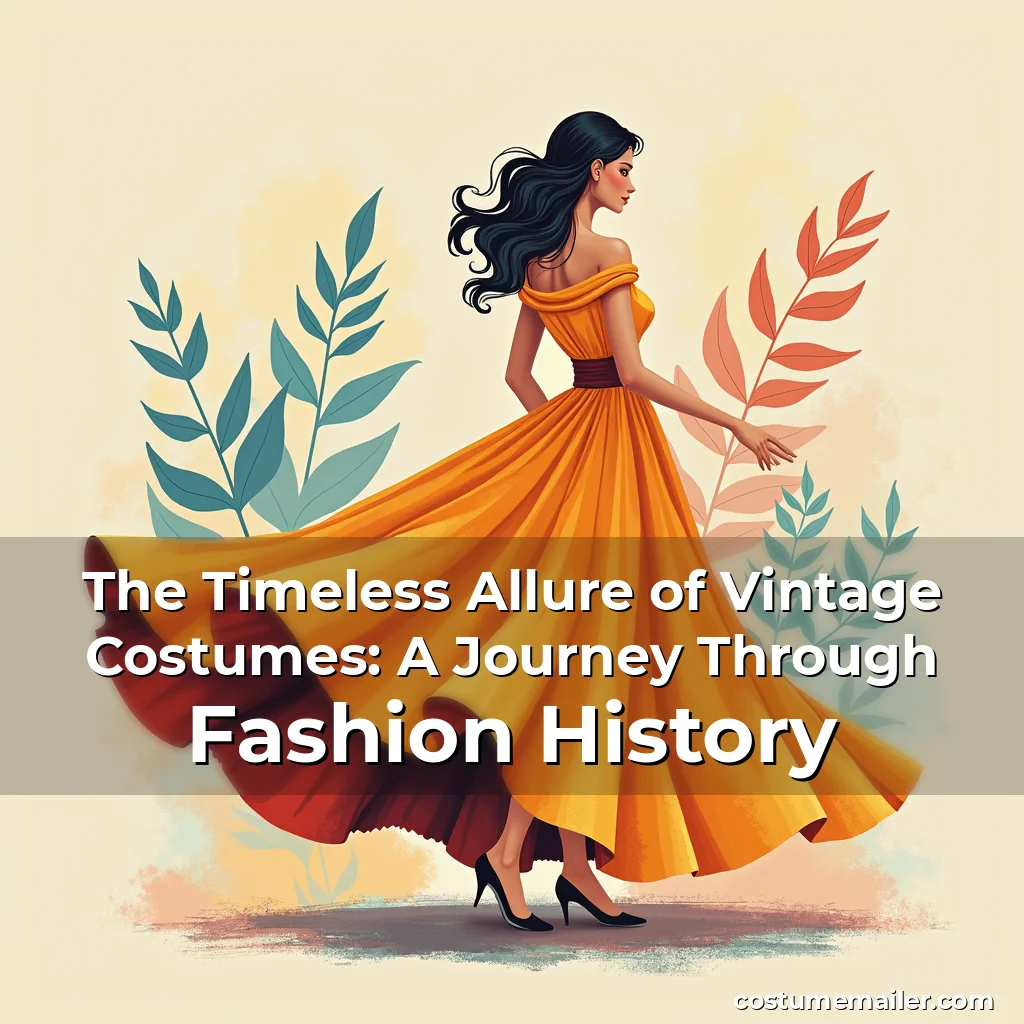
Vintage costumes are not merely garments; they are portals to bygone eras, each stitch telling stories of cultural evolution, social norms, and artistic expression. From the opulent silhouettes of the Roaring Twenties to the structured elegance of Victorian attire, these ensembles offer wearers an immersive experience that transcends time.
This exploration delves into the world of vintage costume design, examining how historical fashion has influenced modern aesthetics while highlighting the enduring appeal of these timeless pieces. Whether you’re a collector, actor, or simply someone who appreciates artful dressing, understanding the nuances of vintage costume history enriches your appreciation for both past and present styles.
Origins of Vintage Costume Design
The roots of vintage costume creation stretch back centuries, evolving alongside human civilization itself. Early civilizations such as ancient Egypt, Greece, and Rome developed distinct sartorial traditions that reflected their societal values and technological advancements.
In medieval Europe, clothing was heavily regulated by class systems, with sumptuary laws dictating what materials different social classes could wear. These restrictions led to intricate designs that emphasized status through fabric quality rather than quantity.
The Renaissance period marked a turning point in costume design, characterized by elaborate embroidery, rich fabrics, and dramatic silhouettes. This era saw the emergence of tailored garments that highlighted individuality and craftsmanship at an unprecedented level.
- Cultural Significance: Clothing often conveyed political messages during times of war or revolution, serving as visual symbols of resistance or allegiance.
- Technological Influence: Innovations like the spinning wheel and loom transformed textile production, making more complex patterns accessible across various social strata.
The Industrial Revolution further accelerated changes in costume design, introducing mass production techniques that democratized access to fashionable attire. However, this shift also sparked movements advocating for artisanal preservation against mechanization’s homogenizing effects.
Evolving Styles Across Historical Periods
Fashion underwent significant transformations from the Baroque era through the Art Deco movement, reflecting shifting aesthetic preferences and societal values. Each decade introduced new silhouette shapes, fabric choices, and embellishment techniques that defined its visual identity.
During the Rococo period, French court dress became synonymous with extravagance, featuring panniers that widened skirts dramatically and lace trimmings that added an air of sophistication. These elements were meticulously crafted using hand-sewing methods passed down through generations.
The 18th century witnessed another stylistic leap with the rise of Neoclassical influences. Inspired by Greco-Roman antiquities, designers created simpler lines with minimal ornamentation, favoring natural forms over rigid structures previously favored by aristocratic circles.
In contrast, the Victorian era embraced strict corsetry and high collars, creating constrictive yet visually striking outfits that symbolized moral restraint and propriety. Textiles used during this time included heavy brocades and velvets dyed in deep jewel tones.
The Edwardian period brought subtle but meaningful changes, gradually loosening some constraints imposed by earlier decades. Corsets remained popular but became slightly less severe, allowing for greater mobility without sacrificing femininity.
Defining Characteristics of Vintage Costumes
Vintage costumes can be distinguished by several key features that set them apart from contemporary apparel. These include distinctive cut-and-sew construction methods, use of traditional textiles, and incorporation of period-specific accessories.
A hallmark of authentic vintage pieces is their emphasis on craftsmanship over convenience. Unlike today’s fast-fashion items designed for disposability, vintage costumes showcase meticulous tailoring that prioritizes durability and fit.
Materials play a crucial role in identifying genuine vintage attire. Natural fibers like cotton, wool, and silk dominate historical collections, whereas synthetic blends became prevalent only after mid-century developments in polymer chemistry.
The presence of hand-stitched detailing such as buttonholes, seams, and edging indicates pre-mechanized production processes. Such characteristics add value to vintage garments, distinguishing them from reproductions made using modern manufacturing techniques.
Accessories accompanying vintage costumes also follow historical trends. Items like cloches, feather headpieces, and garter belts reflect the prevailing fashions of their respective periods, completing the overall look authentically.
Preservation Techniques for Vintage Costumes
Maintaining the integrity of vintage costumes requires careful handling and storage practices. Proper care extends the lifespan of delicate fabrics while preserving original condition for future appreciation.
To protect against fading caused by sunlight expo Using acid-free tissue paper when folding or rolling clothes helps prevent discoloration and maintains shape stability.
Moisture control is equally vital in preventing mold growth and fiber degradation. Relative humidity levels should ideally remain below 60% to safeguard sensitive materials like silk and rayon from becoming brittle over time.
Cleaning vintage costumes demands expertise due to varying sensitivities among different fabrics. Professional dry cleaners experienced in working with antique textiles can safely remove stains without compromising structural integrity.
For minor repairs, using appropriate sewing techniques and matching thread colors ensures restoration efforts blend seamlessly with original workmanship. Avoiding modern adhesives which may yellow or crack over time is crucial for maintaining authenticity.
Collecting Vintage Costumes: Tips and Considerations
Potential collectors should approach vintage costume acquisition strategically, considering factors like provenance, rarity, and market demand before investing financially. Researching historical context enhances appreciation beyond mere aesthetics.
Authenticity verification plays a critical role in collecting vintage costumes. Examining stitching patterns, fabric composition, and manufacturer labels provides insight into whether an item predates modern mass-production methods.
Condition assessment involves inspecting for signs of damage such as moth holes, color fading, or weakened seams. While perfectly preserved pieces command higher prices, well-maintained examples still hold considerable value within enthusiast communities.
Storage solutions vary depending on available space and climate conditions. Acid-free garment bags offer protection against environmental pollutants while allowing visibility for easy retrieval without unnecessary handling.
Networking within collectible circles facilitates knowledge sharing regarding current trends and emerging markets. Attending specialized auctions or joining online forums enables informed decision-making based on collective wisdom rather than isolated opinions.
Vintage Costumes in Modern Pop Culture
Vintage costumes continue to influence contemporary fashion through film adaptations, television series, and theatrical productions that require historically accurate attire. These mediums serve as platforms where old-world elegance meets modern storytelling.
Period dramas such as Downton Abbey or Bridgerton have reignited public interest in 19th-century fashion, prompting increased demand for reproduction garments inspired by those featured in the shows. This trend benefits both historians seeking educational resources and enthusiasts looking to recreate iconic looks.
Costume designers frequently draw inspiration from archival photographs and museum exhibits when creating wardrobes for cinematic projects. Their interpretations often blend factual accuracy with creative reinterpretations suited to narrative needs.
Pop culture references extend beyond screen-based media; music videos and live performances regularly incorporate vintage styling elements as part of artist branding strategies. This cross-pollination reinforces the relevance of historical fashion in shaping today’s visual landscape.
Social media has amplified the reach of vintage-inspired aesthetics, enabling global audiences to engage with diverse cultural expressions through digital channels. Influencers showcasing retro ensembles contribute to ongoing conversations about style heritage and innovation.
Creating Authentic Reproductions of Vintage Costumes
Recreating vintage costumes accurately necessitates thorough research into original designs, fabric compositions, and construction techniques employed during specific periods. Attention to detail ensures faithful representation of historical styles.
Historians, museums, and private collectors maintain extensive archives containing reference materials useful for replication purposes. Photographs, sketches, and surviving garments provide invaluable insights into minute aspects of period-appropriate dressmaking.
Selecting suitable substitutes for rare or discontinued fabrics presents challenges when sourcing materials for recreations. Understanding dyeing processes and weaving techniques allows artisans to match textures and sheens characteristic of particular epochs.
Traditional sewing tools and machinery facilitate precise execution of historic patterns. Hand-cranked treadles, manual presses, and vintage needles help achieve results comparable to original craftsmanship standards.
Educational institutions offering courses focused on historical costume reconstruction equip students with skills necessary for producing high-quality replicas. Apprenticeships under established professionals further refine technical proficiency required for successful recreations.
Embracing Vintage Costumes Today
In an age dominated by fast fashion cycles and disposable clothing, embracing vintage costumes offers an alternative path toward sustainable consumption habits rooted in respect for material legacy and skilled labor.
Thrift stores, consignment shops, and online marketplaces provide accessible avenues for discovering unique vintage finds without contributing to environmentally harmful production models associated with contemporary retail industries.
Wearing vintage costumes fosters appreciation for the skill involved in their creation, challenging assumptions about what constitutes “fashionable” attire in modern contexts. It encourages consumers to reconsider their relationship with personal style and its broader implications.
Community engagement around vintage fashion strengthens connections among individuals united by shared interests. Events dedicated to costume showcases promote dialogue about heritage, creativity, and self-expression through dress.
Ultimately, choosing to integrate vintage costumes into everyday life represents a conscious effort towards valuing tradition amidst rapid change – celebrating the beauty found in carefully constructed garments worn with pride.
Conclusion
Vintage costumes represent much more than nostalgic relics; they embody living histories shaped by countless hands across generations. By studying these artifacts we gain deeper understanding of our collective past while finding renewed inspiration for expressing ourselves creatively now.
Whether collected as treasured possessions or worn as statements of personal style, vintage costumes remind us that true elegance lies not solely in appearance but also in the narratives woven through every thread and seam. Embrace the richness of this enduring tradition and let history guide your next wardrobe choice.

news is a contributor at CostumeMailer. We are committed to providing well-researched, accurate, and valuable content to our readers.
You May Also Like