The Ultimate Costume Rental Experience: A Deep Dive Into Styles, Services, and Sustainability
In today’s world of themed parties, theatrical productions, and immersive events, costume rentals have become essential tools for creating memorable experiences. Whether you’re staging a Renaissance festival or attending a Halloween ball, finding the perfect outfit doesn’t always mean buying—it often means borrowing. However, navigating the nuances of costume rentals requires knowledge beyond simply picking an item off a rack.
Renting costumes offers unparalleled flexibility, allowing individuals to explore styles far outside their usual wardrobe. From Victorian gowns to sci-fi exosuits, the breadth of available designs ensures there’s never a shortage of inspiration. Yet, understanding how to choose quality rentals, avoid hidden fees, and preserve your borrowed garments demands careful consideration.
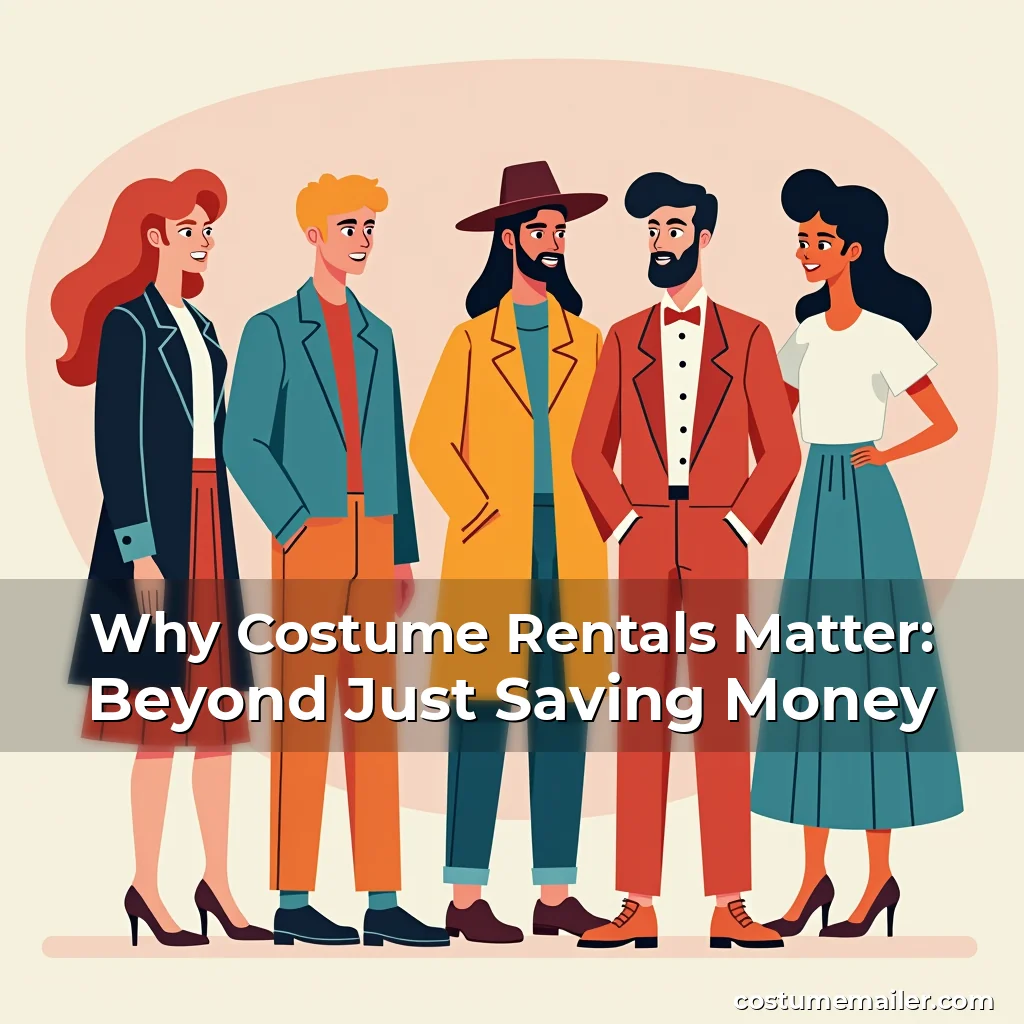
Why Costume Rentals Matter: Beyond Just Saving Money
Costume rentals serve purposes far greater than mere financial efficiency. They democratize fashion, enabling people to participate in events regardless of budget constraints. A single rental fee grants access to high-quality fabrics, intricate detailing, and professional tailoring that would otherwise be prohibitively expensive to purchase.
Moreover, renting reduces clutter in personal wardrobes. Instead of accumulating unused party gear, individuals can enjoy seasonal themes only when needed. This practice not only simplifies storage solutions but also promotes sustainable consumer habits by minimizing textile waste.
There’s also an element of surprise involved. When browsing rental inventories, unexpected combinations often emerge—think steampunk accessories paired with modern silhouettes or vintage patterns reimagined for contemporary aesthetics. Such discoveries enrich the creative process behind event preparation.
- Diversity of Options: Top-tier rental stores maintain extensive collections spanning centuries and cultures. You’ll find everything from samurai armor to cyberpunk ensembles ready for immediate use.
- Professional Quality Assurance: Reputable providers invest heavily in maintenance routines, ensuring all pieces remain clean, functional, and structurally sound after countless uses.
Selecting the Perfect Rental Service: What To Look For
Finding trustworthy costume rental services begins with identifying locations that cater specifically to your type of event. Theater troupes may prefer specialized suppliers offering stage-ready attire, whereas prom planners benefit most from retailers providing formalwear with built-in accessories like gloves or sashes.
Pricing structures vary widely depending on the complexity of the garment. Simple tuxedo rentals typically cost $30-$60 per day, while elaborate medieval battle suits might reach upwards of $150 for special occasions. Always inquire about minimum rental durations—some places charge hourly rates for certain items.
Customer reviews act as invaluable guides. Online directories showcase past users’ experiences regarding punctuality of deliveries, cleanliness standards, and responsiveness during emergencies like last-minute sizing adjustments. Pay particular attention to comments about fabric durability since even beautiful costumes lose appeal quickly if they pill or tear easily.
Evaluating Inventory Depth And Turnover Rates
Reputable rental houses maintain deep inventories featuring multiple copies of popular designs. This prevents situations where dozens of customers simultaneously request identical costumes—a logistical nightmare requiring rapid substitutions or alterations.
Inventory turnover rates reveal operational efficiency. Stores that frequently refresh stock demonstrate commitment to keeping selections fresh and relevant. Conversely, stagnant collections suggest poor business management which could lead to outdated fashions dominating shelves long after they’ve fallen out of style.
Preparing Your Costume Rental Journey: Essential Steps Beforehand
Successful costume rental experiences begin with thorough pre-planning. Determine exact dates and venues early on to allow sufficient time for ordering and delivery arrangements. Some specialty items require advance reservations weeks ahead due to limited availability.
Meticulous measurement taking proves crucial. Many rental houses provide online calculators helping patrons estimate sizes accurately. However, visiting physical stores allows direct fitting sessions—an advantage particularly beneficial for non-standard body types seeking period-specific corsets or platform boots.
Consider requesting trial periods if available. While most rentals operate on standard pickup/drop-off schedules, select premium services offer optional fittings where clients can inspect and adjust outfits beforehand. This minimizes surprises upon arrival at events.
- Return Policies: Clarify whether late returns incur additional charges. Some establishments enforce strict deadlines while others offer grace periods contingent on staff workload.
- Care
Sustainability Practices Within The Costume Rental Industry
Environmental consciousness has reshaped how costume rentals operate. Leading companies implement green initiatives ranging from energy-efficient lighting in display areas to implementing recycling programs for obsolete props and textiles.
Recommended Reading: Costume Ideas: Practical Applications and BenefitsSome forward-thinking businesses partner with second-hand boutiques, repurposing gently used garments instead of discarding them. This circular economy model extends product lifecycles significantly compared to traditional disposal methods.
Water conservation plays a role too. Modern dry-cleaning techniques utilize less solvent than older processes, reducing chemical runoff into waterways. Additionally, many facilities install low-flow fixtures in restrooms serving rental clientele.
Carbon Footprint Reduction Through Smart Logistics
Efficient distribution networks minimize transportation emissions associated with moving costumes between warehouses and retail outlets. Route optimization software helps dispatchers plan optimal delivery paths that consolidate multiple pickups into single trips whenever feasible.
Bulk shipping containers replace individual packaging for multi-item orders, decreasing material waste from excessive plastic wrap and cardboard boxes. Eco-conscious stores also prioritize reusable tote bags over disposable alternatives for transporting rented goods.
DIY Alternatives Vs Professional Rentals: Weighing Pros And Cons
While professional rentals guarantee instant gratification, crafting your own costumes presents distinct advantages. Homemade creations allow complete customization down to thread color choices and fabric textures. Plus, the satisfaction derived from handmade projects remains unmatched.
However, self-styling carries inherent challenges. Time-consuming research and sourcing supplies may prove daunting, especially for those unfamiliar with sewing basics or pattern drafting skills. Beginners often underestimate hours required for complex constructions involving zippers, buttonholes, or structural reinforcements.
Cost comparisons further complicate decisions. Although initial expenses seem lower, ongoing investments accumulate rapidly—particularly when factoring in tools, notions, and potential mistakes necessitating fabric replacements. Professional services bundle all these elements into predictable monthly fees.
- Time Investment: Crafting bespoke costumes demands significant effort comparable to learning basic carpentry skills. Dedicate realistic timelines considering project complexity levels.
- Quality Control: Even experienced sewists occasionally face issues like uneven stitching or mismatched seam allowances. Professional tailors employ precision techniques unattainable manually.
Trending Themes Dominating Current Costume Rental Markets
Vintage revival continues influencing rental preferences. Retro 80s power suits alongside 90s grunge aesthetics remain perennial favorites. Retailers capitalize on nostalgia by reintroducing discontinued lines previously deemed outdated.
Sci-fi/fantasy genres experience exponential growth fueled by streaming series and video games. Full-body cosplay ensembles now constitute nearly 30% of total rentals across major urban centers according to recent market analyses.
Historical accuracy gains traction among academic institutions hosting living history museums. Demand spikes annually prior to anniversaries marking pivotal events like World War II commemorations or royal coronation celebrations.
Cultural Sensitivity Considerations
Increasing awareness surrounding cultural appropriation necessitates thoughtful curation strategies. Ethically conscious providers consult historians before stocking religious vestments or indigenous ceremonial wear, prioritizing educational context over superficial aesthetics.
Workshops accompany some rentals teaching proper etiquette for wearing culturally significant attire. Participants learn about symbolic meanings embedded within traditional dress codes, fostering respectful engagement with heritage clothing.
Technology Enhancements Revolutionizing Costume Rental Access
Virtual reality (VR) technology enables remote fittings eliminating geographical limitations. Users don VR headsets connected to databases containing thousands of digitized garments, trying on virtual versions before finalizing purchases.
Augmented reality (AR) mirrors allow live visualization of how different outfits appear against various backgrounds. Patrons stand in front of smart screens seeing themselves instantly transformed into fantasy characters or historical figures via overlay effects.
Mobile apps streamline operations from order placement to GPS tracking of returned items. Integration with calendar applications automatically schedules reminders for drop-offs, preventing accidental oversights that could trigger extra charges.
You Might Also Enjoy: The Evolution of Costume Trends: A Deep Dive into Modern Fashion Fictions- Data Analytics: Predictive algorithms analyze search histories predicting upcoming popularity surges. This informs inventory procurement decisions months in advance.
- AI Styling Assistants: Chatbots powered by artificial intelligence recommend compatible accessory pairings based on facial features extracted from uploaded photos.
Behind-The-Scenes Operations At Large Costume Rental Facilities
Huge warehouse complexes house tens of thousands of costumes organized meticulously by category. Sorting systems incorporate RFID chips embedded inside garments facilitating automated tracking during transfers between departments.
Dedicated restoration teams specialize in repairing damaged pieces. Techniques include laser cleaning for removing stains, invisible mending threads for patching rips, and steam pressing machines preserving original fabric integrity without causing shrinkage.
Staff undergo rigorous training covering safety protocols handling hazardous dyes or fragile materials. Emergency response plans address fire hazards posed by flammable sequins or synthetic fibers prone to melting under heat exposure.
Logistics Networks Supporting Global Distribution
International shipping partnerships enable cross-border rentals catering to film crews filming abroad or expatriate communities celebrating home-country festivals overseas. Customs clearance procedures ensure timely delivery despite regulatory hurdles.
Climate-controlled storage units safeguard temperature-sensitive costumes during transit. Specialized crates prevent compression damages affecting pleated skirts or stiff collars susceptible to flattening during transport.
Community Engagement Initiatives By Leading Costume Rental Chains
Many prominent chains sponsor youth theater groups by donating free rentals for school performances. This fosters artistic development while promoting brand visibility through positive associations with education sectors.
Collaborative workshops teach costume design fundamentals to aspiring creators. Seasoned professionals mentor participants through hands-on demonstrations illustrating techniques for draping fabric or constructing supportive padding.
Charitable drives collect gently used costumes for shelters housing displaced families needing temporary clothing solutions. This social responsibility component strengthens corporate reputations while addressing urgent humanitarian needs.
- Youth Programs: Summer camps feature costume creation classes blending art instruction with physical activity enhancing motor skill development in children aged six to twelve.
- Senior Outreach: Community centers host memory lane events where elders reminisce by wearing era-appropriate attire sourced entirely from rental inventories.
Legal Framework Governing Costume Rental Transactions
Licensing agreements regulate commercial use of rented costumes. Photographers shooting editorial content must obtain permissions specifying duration and scope of usage rights granted to media entities.
Intellectual property laws protect designers whose work appears in rental catalogs. Unauthorized replication attempts triggering copyright infringement claims result in legal penalties including fines and injunctions prohibiting continued sales.
Insurance coverage protects against liability arising from accidents occurring during rental periods. Comprehensive policies encompass bodily injury compensation, property damage reimbursement, and medical expense provisions.
Consumer Protection Regulations
Truth in advertising mandates clear disclosure of conditions attached to rental contracts. Misleading claims about included accessories or refund policies violate fair trade principles enforced by governmental watchdog agencies.
Dispute resolution mechanisms exist for resolving conflicts between renters and providers. Mediation services facilitate negotiations avoiding costly litigation while preserving relationships vital to repeat business opportunities.
Future Innovations Shaping The Evolution Of Costume Rentals
Nanotechnology promises breakthroughs in stain resistance properties applied to rental fabrics. Microscopic coatings repel liquids preventing permanent marks from spills or sweat encountered during prolonged wear periods.
Biodegradable synthetics challenge conventional polyester reliance. Researchers develop plant-based polymers decomposing naturally post-rental cycle without compromising structural strength or visual appeal characteristics.
Smart textiles integrate sensors monitoring wearer comfort metrics. Real-time feedback adjusts heating/cooling functions embedded within garments responding dynamically to ambient temperatures fluctuating throughout evening events.
Immersive Experiences Enhanced By Technological Advancements
Holographic projection systems create interactive displays showcasing garment evolution across decades. Visitors witness firsthand transformations of classic styles adapting to changing societal norms through animated sequences.
Blockchain technology enhances transparency by recording every transaction permanently. Immutable ledgers track ownership history verifying authenticity credentials for rare designer pieces entering rental markets.
Conclusion
Costume rentals represent more than convenient shopping solutions—they embody evolving attitudes toward fashion accessibility, environmental stewardship, and technological integration. As industries continue innovating, consumers gain unprecedented control over shaping their aesthetic identities responsibly.
Whether embracing cutting-edge developments or preferring timeless traditions, informed decision-making empowers individuals to curate exceptional appearances worthy of any occasion. Explore local options thoroughly, compare offerings critically, and above all, celebrate the transformative magic costumes bring to life’s memorable moments.

news is a contributor at CostumeMailer. We are committed to providing well-researched, accurate, and valuable content to our readers.
You May Also Like