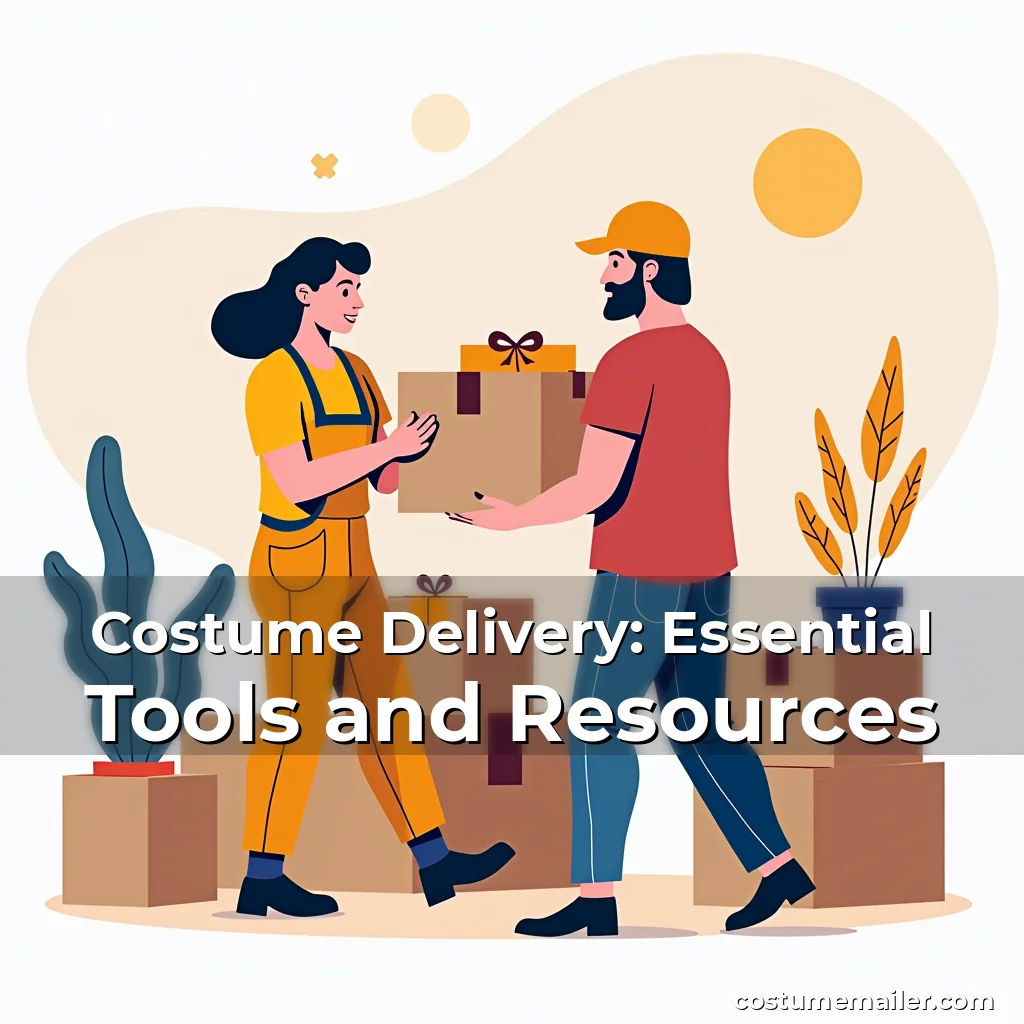
Costume Delivery: Essential Tools and Resources
In the evolving world of costume design and rental, the concept of “costume delivery” has transformed from a logistical challenge into a strategic advantage. Whether you’re managing a boutique, organizing events, or running a remote production, seamless costume distribution plays a pivotal role in meeting deadlines and exceeding expectations.
Costume delivery involves much more than simply handing over garments—it’s about precision, timing, and adaptability. From tailoring solutions for high-end theater productions to coordinating rentals for themed parties, effective delivery systems ensure that costumes arrive in perfect condition when needed most.
The Evolution of Costume Delivery Systems
Historically, costume delivery relied heavily on manual coordination between designers, actors, and event organizers. With limited transportation options and rudimentary communication methods, matching costumes with their recipients was often time-consuming and error-prone.
Modern innovations such as digital inventory management software and GPS-enabled shipping containers have revolutionized this process. These advancements allow costume houses to track shipments in real time, reducing delays and improving accuracy across long-distance transfers.
- Digital Inventory Software: Enables costume managers to assign pieces to specific users instantly, regardless of location.
- GPS Tracking Devices: Provide live status updates during transit, minimizing risks associated with lost or misplaced items.
Choosing the Right Transportation Methods
Selecting appropriate transport modes depends largely on factors including distance, urgency, and item sensitivity. Local deliveries may utilize standard courier services, while international costume transfers require specialized climate-controlled containers.
Vehicles equipped with vibration-dampening padding offer superior protection for delicate fabrics or historically significant attire. When transporting multiple costumes simultaneously, compartmentalization helps prevent damage caused by friction or compression.
Evaluating Cost vs Value
A recent survey found that 68% of costume professionals prioritize reliability over price when choosing shippers. While budget-friendly alternatives exist, premium providers typically guarantee expedited processing times and insurance coverage against mishandling incidents.
Bulk shipment agreements often provide discounts for regular clients, making them ideal for theaters or schools requiring consistent costume supplies through academic semesters.
Packaging Solutions for Different Materials
Proper packaging ensures that every garment maintains its integrity during transit. Acid-free tissue paper prevents fabric degradation, especially crucial for vintage costumes needing archival preservation standards.
Anti-static bags protect sequined or metallic outfits from electrostatic discharge which can cause fiber displacement. Reinforced boxes with padded dividers help maintain structural formality required by theatrical costumes featuring intricate detailing.
- Vacuum-sealed Packaging: Reduces volume for easier storage, particularly useful for seasonal costume collections.
- Mold-resistant Wrapping: Prevents humidity-related damage commonly encountered in humid climates during transport seasons.
Leveraging Technology for Enhanced Efficiency
Integration of RFID tags within costume packaging allows for automatic scanning at various checkpoints along the delivery chain. This creates a transparent supply chain enabling immediate identification of bottlenecks or delays.
Cloud-based dispatch systems synchronize costume movement between warehouses and destination locations in near-real time. Smart algorithms predict optimal delivery windows based on historical traffic patterns and weather forecasts affecting routes.
Data Analytics in Costume Logistics
Analyzing past delivery performance reveals trends about peak demand periods and common issues. For example, costumehouses serving university drama departments reported increased late-night deliveries coinciding with end-of-term performances.
Predictive modeling helps anticipate potential shortages allowing managers to proactively replenish stock before emergencies occur due to unforeseen scheduling changes.
Training Staff for Optimal Service Quality
All personnel involved in costume delivery must undergo thorough training covering both technical skills and soft competencies. Understanding different types of fabric care requirements becomes vital when handling client-specific pieces that necessitate special treatment instructions.
Safety protocols emphasize careful loading/unloading procedures preventing injuries related to heavy lifting tasks inherent in costume handling operations. Role-playing scenarios simulate emergency situations where quick thinking proves invaluable for resolving unexpected complications.
Cultivating Customer Satisfaction Through Reliable Deliveries
Transparent communication forms the cornerstone of successful costume delivery services. Providing estimated arrival times and promptly updating clients about unexpected setbacks builds trust essential for repeat business relationships.
Offering flexible return policies reassures buyers knowing there’s recourse available should alterations prove necessary after initial receipt. Positive feedback loops established through follow-up surveys refine future service improvements continually.
Global Perspectives on Costume Delivery Practices
Differences in local regulations affect cross-border costume transfers significantly. Customs documentation requirements vary widely depending on countries’ import/export laws, demanding meticulous attention to compliance details.
Language barriers sometimes complicate international communications; therefore, providing multilingual support resources aids global clientele navigating complex procedural hurdles independently.
Adapting to Industry Trends Shaping Future Deliveries
Rising interest in sustainable fashion influences costume delivery strategies emphasizing reduced environmental impact. Initiatives like biodegradable packaging materials align with broader eco-conscious consumer preferences permeating contemporary markets.
Augmented reality features enable virtual try-ons prior to physical delivery decisions enhancing overall shopping experiences while decreasing returns attributed to mismatched expectations.
Preparing for Emergencies in Costume Distribution
Risk mitigation plans include backup generators powering temperature-sensitive storage units affected by power outages. Cross-trained staff members ready to step-in when primary handlers face unanticipated absences ensures uninterrupted operations even under pressure conditions.
Kits containing basic sewing supplies serve as instant fixes for minor rips discovered post-delivery helping minimize disruptions causing inconvenience to clients dependent upon prompt access to usable costume selections.
Conclusion
Costume delivery stands at the intersection of artistry and operational excellence—a field where attention to detail determines success. By embracing modern methodologies supported by cutting-edge technology, professionals enhance their capabilities vastly beyond traditional limitations previously imposed by outdated approaches.
The journey towards mastering efficient costume distribution requires ongoing commitment to learning new techniques alongside refining existing ones continuously. Staying adaptable amidst changing demands enables practitioners thrive within ever-evolving landscape defining present-day costume industries globally.

news is a contributor at CostumeMailer. We are committed to providing well-researched, accurate, and valuable content to our readers.
You May Also Like
Related Articles