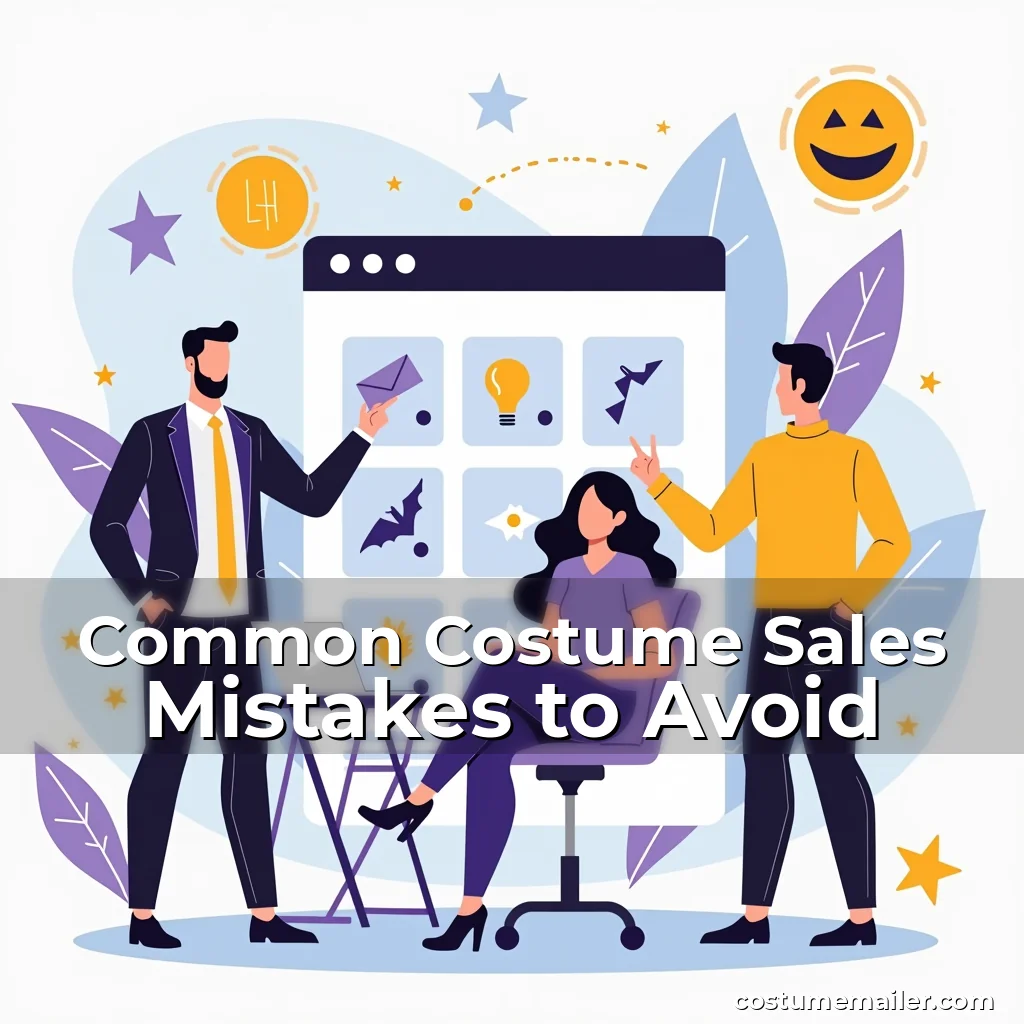
Common Costume Sales Mistakes to Avoid
Costume sales offer immense potential for creativity, profit, and community engagement—but even seasoned sellers often fall prey to recurring pitfalls. From misjudging market demands to neglecting logistics, these errors can significantly impact revenue and brand reputation.
This article dives deep into the most frequent mistakes made by costume vendors, whether you’re running a small shop, hosting a pop-up event, or selling online. By recognizing and addressing these issues early, you’ll safeguard your business and elevate its success. Let’s explore the lessons learned from past failures and how to transform them into opportunities for growth.
The Pitfall of Overlooking Seasonal Trends
Costumes are inherently tied to time-sensitive events like Halloween, Christmas, cosplay conventions, and theatrical productions. Failing to align your inventory with upcoming holidays or cultural movements can lead to stagnant sales and excess stock.
Vendors who ignore evolving trends risk losing out on lucrative sales windows. For example, not stocking sustainable materials or culturally significant designs for major festivals can alienate customers seeking relevance. Staying informed means tracking emerging themes in entertainment, fashion, and digital culture.
- Lack of trend research: Without regular analysis of popular movies, TV shows, or viral challenges, you may miss opportunities for high-demand costumes. Tools like Google Trends or Pinterest boards can reveal what audiences crave next year.
- Inflexible supply chains: Relying solely on old favorites without adjusting for new releases, such as characters from recent blockbuster films, can hinder competitiveness. Partnerships with suppliers specializing in current trends can mitigate this issue.
Poor Pricing Strategy Leading to Losses
A well-crafted pricing strategy balances profitability with affordability, but many sellers get caught in the trap of either setting prices too high or undercutting themselves unfairly. Both extremes harm revenue and customer trust.
Halloween season exemplifies this dilemma. Retailers might inflate prices for limited-edition costumes without justification, driving customers to cheaper alternatives elsewhere. Conversely, undervaluing premium-quality pieces undermines perceived value, especially among discerning buyers.
- Ignoring production costs: Calculating price points requires accounting for material expenses, labor, overhead, and desired margins. Failing to do so risks financial instability and unsustainable operations.
- Fear-based discounting: Offering steep discounts just before events can attract budget shoppers but devalue your brand long-term. Instead, consider tiered pricing models or bundled deals for better flexibility.
Neglecting Inventory Management Practices
Inventory management is critical for both retail and wholesale costume sales. Overstocking leads to storage waste and reduced cash flow, while understocking results in missed sales and dissatisfied customers.
Many businesses fail to track turnover rates or anticipate restocking needs. For instance, if a popular costume sells quickly pre-Halloween but isn’t replenished in time, loyal customers lose interest to competitors with available stock.
Case Study: The Consequences of Poor Stock Control
A boutique that sold handmade costumes noticed declining sales halfway through October due to inconsistent restocking. Their inability to monitor which designs were flying off shelves left gaps in product availability, damaging customer loyalty and future repeat purchases.
This highlights the need for automated systems or manual logs to record what sells fastest, allowing strategic reordering and minimizing delays caused by supply chain bottlenecks.
Misunderstanding Customer Preferences
Beyond aesthetics, successful costume sales depend on anticipating buyer behavior. Many vendors assume universal tastes without investing time in audience segmentation or feedback collection.
Gathering insights reveals diverse motivations—for example, families prioritize comfort for kids, while adults may favor detailed, thematic outfits for cosplay or themed parties. Ignoring these distinctions can result in products that never reach their full potential.
- Stereotyping demographics: Assuming all young people prefer superhero costumes ignores preferences for historical attire, fantasy creatures, or modern streetwear styles. Engaging with communities via surveys or forums provides clarity on actual demand.
- Overlooking accessibility concerns: Designing costumes without considering size inclusivity, fabric allergies, or mobility restrictions alienates portions of the population. Collaborating with inclusive designers expands market reach.
Underestimating Marketing Efforts Required
No amount of quality craftsmanship or competitive pricing matters without effective promotion. Common mistakes include relying purely on past popularity rather than actively nurturing brand awareness.
Successful costume sellers leverage targeted advertising, influencer partnerships, and SEO optimization. Those who skip these tactics find themselves drowned out by larger competitors who invest heavily in digital outreach.
- Inadequate platform utilization: Platforms like Instagram, TikTok, and YouTube offer powerful tools to showcase costumes through video demonstrations, behind-the-scenes content, and user-generated testimonials. Not leveraging these spaces limits discoverability.
- Weak call-to-action strategies: Calls to action (CTAs) must be compelling and repeated across channels. Phrases like “Limited quantities!” or “Join our mailing list for exclusive discounts” drive urgency and conversion rates.
Disregarding Logistics and Delivery Timelines
Even the most appealing costumes cannot succeed if delivery timelines cause frustration. Last-minute orders, shipping mishaps, and unclear return policies create unhappy customers and negative reviews.
For instance, procrastinating on purchasing holiday-themed costumes forces vendors into rushed shipments, increasing error chances. Clear communication about processing times helps manage expectations and avoids conflicts.
- Unrealistic fulfillment promises: Committing to same-day or overnight delivery without sufficient warehouse capacity causes reputational damage. Always plan ahead and provide realistic timelines upfront.
- Ignoring returns/repairs procedures: Including clear instructions on exchanges, refunds, and alterations builds trust. Streamlined return processes prevent dissatisfaction from minor issues like sizing discrepancies.
Overlooking Sustainability and Ethical Concerns
Today’s consumers expect businesses to demonstrate environmental responsibility. Neglecting eco-friendly practices puts your company at odds with growing sustainability trends and shifts consumer spending habits.
Using harmful dyes, non-recyclable packaging, or exploiting labor in costume manufacturing can deter eco-conscious buyers. Brands that embrace transparency build stronger relationships with values-aligned patrons.
- Greenwashing tactics: Claiming sustainability without concrete actions damages credibility. Certifications like Fair Trade or organic labeling validate efforts genuinely and foster goodwill.
- Waste reduction strategies: Implementing programs for rental costumes, recycling old materials, or using biodegradable components reduces ecological footprints while attracting environmentally aware customers.
Failure to Diversify Product Offerings
Dependence on a single type of costume increases vulnerability to shifting markets. While iconic Halloween designs remain steady, expanding into other areas opens new revenue streams and stabilizes income fluctuation.
Introducing DIY kits, accessories, face paint, and costume rentals allows tapping into adjacent sectors. Vendors who cling exclusively to traditional merchandise miss out on these complementary opportunities.
- Ignoring accessory sales: Accessories like wigs, jewelry, or weapon props often sell faster than standalone costumes. Packaging offers as bundles boosts average order values.
- Expanding event-specific options: Beyond seasonal events, catering to conferences, sports team dress-ups, or theatrical roles ensures consistent annual sales outside peak periods.
Underestimating Legal Compliance Requirements
Rather than focusing only on design or customer service, legal considerations often trip up unprepared costume businesses. Issues ranging from trademark violations to safety regulations can result in fines or lawsuits.
Duplicating branded costumes without permission infringes intellectual property laws. Additionally, failing to meet flammability standards for fabrics used in children’s wear violates health codes in many regions.
- Trademark infringement: Rebranding existing characters or logos without licensing agreements exposes sellers to cease-and-desist letters and liability claims. Conduct thorough checks before launching any copycat products.
- Product safety testing: Ensuring compliance with flame-resistant and hypoallergenic fabric standards protects both your business and customers’ wellbeing. Partnering with certified laboratories simplifies validation processes.
The Danger of Inconsistent Brand Messaging
Your brand image shapes perceptions of reliability, creativity, and professionalism. Conflicting messages across marketing materials, packaging, or website descriptions confuse customers and dilute your identity.
For example, claiming superior craftsmanship on advertisements but delivering poorly constructed items leads to disappointment and tarnishes your reputation permanently. Consistency is vital across all touchpoints to maintain trustworthiness.
- Varying tone and visuals: Maintaining cohesive color schemes, fonts, and language style reinforces recognition. Disjointed branding weakens memorability among potential clients.
- Mismatched customer experience: Aligning physical store appearances with virtual presence—whether online or at trade shows—ensures consistency regardless of interaction channel chosen.
Conclusion
While navigating costume sales presents numerous challenges, acknowledging common mistakes empowers sellers to sidestep obstacles that others overlook. Whether mismanaging inventory, disregarding market trends, or cutting corners legally, proactive improvements lay groundwork for lasting success.
Embrace continuous learning, stay adaptable to changing landscapes, and always center decisions around enhancing both profits and customer satisfaction. With strategic execution, every sale becomes an opportunity to refine approaches further—a journey worth pursuing relentlessly toward excellence.

news is a contributor at CostumeMailer. We are committed to providing well-researched, accurate, and valuable content to our readers.
You May Also Like

Related Articles