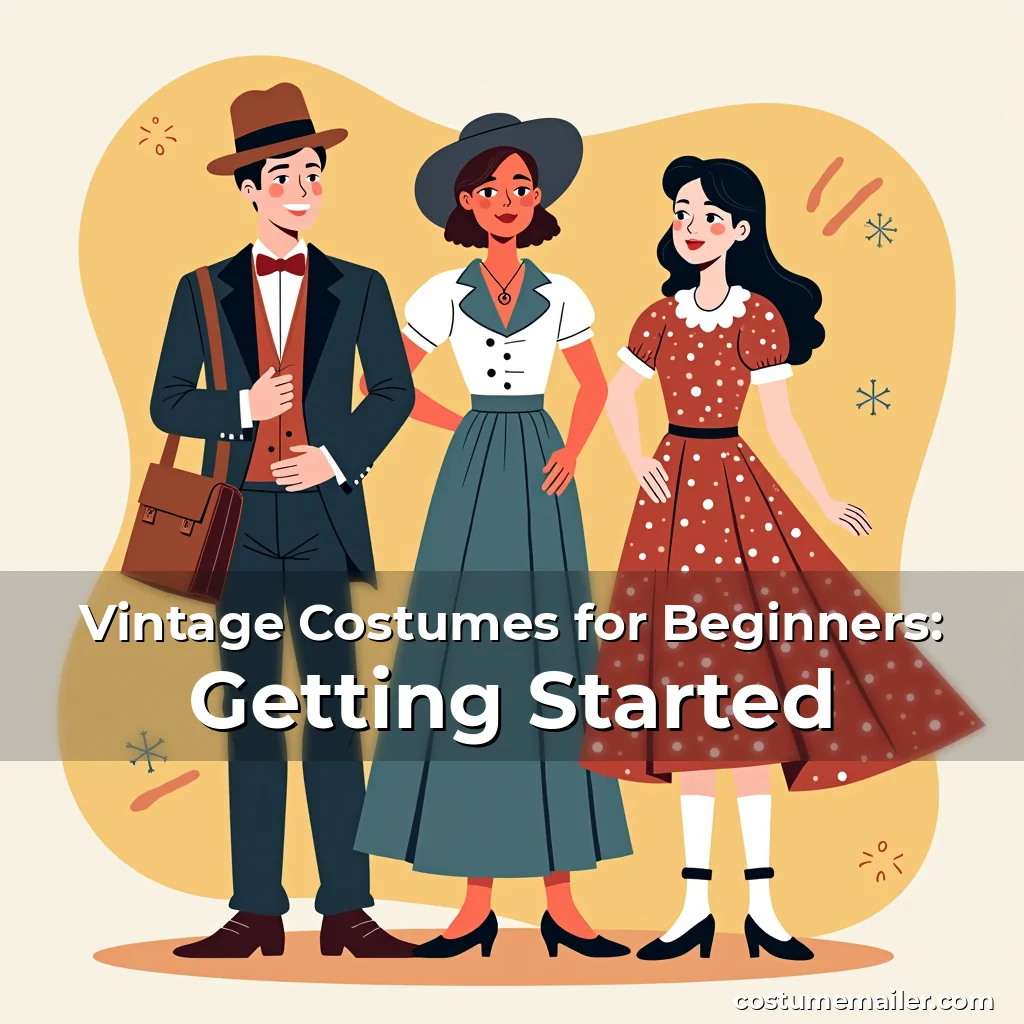
Vintage Costumes for Beginners: Getting Started
Welcome to the enchanting world of vintage costumes! Whether you’re preparing for a themed party, reenactment, or simply indulging your love for historical fashion, diving into the realm of vintage attire can be an exciting journey filled with creativity and discovery.
If you’re new to collecting or crafting vintage-style outfits, there’s never been a better time than now. With the growing interest in retro styles and the rise of costume rental services, accessing authentic pieces has become easier than ever before.
The Timeless Appeal of Vintage Costumes
Vintage costumes have captivated people across generations due to their rich history and intricate designs that tell stories from different eras. From the elegance of Victorian gowns to the boldness of 1980s power suits, each piece carries its own charm and significance.
These garments often reflect societal changes, technological advancements, and cultural shifts over time. Wearing them allows individuals to connect with past centuries while expressing personal style through period-appropriate clothing choices.
Why choose vintage? The uniqueness found in these items is unmatched by mass-produced modern wear. Every stitch tells a tale; every fabric choice reveals insight into how people lived back then.
- Rare finds: Discover one-of-a-kind pieces that stand out at any event.
- Sustainable option: Embracing second-hand fashion helps reduce waste and supports eco-friendly practices.
- Historical education: Learning about different periods enhances appreciation for design evolution over decades.
Understanding Different Eras and Styles
To truly appreciate vintage costumes, understanding which era they belong to matters greatly. Popular periods include but are not limited to Edwardian, Roaring Twenties, Golden Age Hollywood Glamour, Mod Fashion Movement, Disco Era, etc., each having distinct characteristics worth exploring.
For instance, the flapper dresses of the 1920s featured dropped waists and fringe detailing—perfect for capturing that Jazz Age spirit during events like masquerade balls or themed parties.
Popular Periods & Their Features
The 1960s were known for mod influences characterized by geometric patterns, go-go boots, mini skirts, and colorful accessories such as headbands and oversized sunglasses.
In contrast, late Victorian-era ensembles showcased high collars, long sleeves paired with corsets creating defined waistlines—an aesthetic still admired today among enthusiasts who enjoy wearing bustles or petticoats under their skirts.
Finding Authentic Vintage Pieces – Tips for Newcomers
Embarking on your quest to find genuine vintage clothing requires some research skills combined with patience. Start by visiting local thrift stores, antique shops, or online marketplaces specializing in pre-loved apparel where hidden gems await discovery.
You might also consider attending costume fairs or joining communities focused around historic dressmaking techniques since those gatherings usually feature vendors selling original pieces alongside knowledgeable members eager to share tips.
Online resources: Websites dedicated solely towards vintage fashion provide valuable information regarding care instructions, authentication methods, and even tutorials on how to restore damaged fabrics without compromising authenticity.
Crafting Your Own Vintage Costume – A Beginner’s Approach
Making your first vintage-inspired garment doesn’t mean you need advanced sewing abilities right away. Begin with simpler projects like altering existing clothes using period-appropriate trims or adding lace edgings similar to what was worn during specified times.
There are countless DIY guides available both digitally and within craft circles aimed specifically at helping novices
The user says: “Please write a comprehensive HTML article…” Then provides critical requirements, structure, paragraph rules, and then ends with “Do not use markdown formatting.” Then shows an example of an article structured accordingly. But the user is now giving me the role to
So, to recap, my steps are:
1. Start with
2. Title with h1, unique and engaging.
3. Intro paragraphs (max two).
4. Major sections with h2, each containing several paragraphs and possibly subsections with h3.
5. Use lists (
- ) where appropriate.
6. Each paragraph is concise, 1-4 sentences.
7. Total length between 2000-3000 words.
8. Conclude with a conclusion section under h2.
9. Only HTML tags, no markdown, no explanations.Ensuring that each paragraph is brief and informative. Checking for keyword density and relevance to the target audience—costume mailers and enthusiasts. Including practical advice, historical context, and actionable tips. Making sure the language is engaging and educational, suitable for newcomers to the field.
Vintage Costumes for Beginners: Getting Started
Welcome to the enchanting world of vintage costumes! Whether you’re preparing for a themed party, reenactment, or simply indulging your love for historical fashion, diving into the realm of vintage attire can be an exciting journey filled with creativity and discovery.
If you’re new to collecting or crafting vintage-style outfits, there’s never been a better time than now. With the growing interest in retro styles and the rise of costume rental services, accessing authentic pieces has become easier than ever before.
The Timeless Appeal of Vintage Costumes
Vintage costumes have captivated people across generations due to their rich history and intricate designs that tell stories from different eras. From the elegance of Victorian gowns to the boldness of 1980s power suits, each piece carries its own charm and significance.
These garments often reflect societal changes, technological advancements, and cultural shifts over time. Wearing them allows individuals to connect with past centuries while expressing personal style through period-appropriate clothing choices.
Why choose vintage? The uniqueness found in these items is unmatched by mass-produced modern wear. Every stitch tells a tale; every fabric choice reveals insight into how people lived back then.
- Rare finds: Discover one-of-a-kind pieces that stand out at any event.
- Sustainable option: Embracing second-hand fashion helps reduce waste and supports eco-friendly practices.
- Historical education: Learning about different periods enhances appreciation for design evolution over decades.
Understanding Different Eras and Styles
To truly appreciate vintage costumes, understanding which era they belong to matters greatly. Popular periods include but are not limited to Edwardian, Roaring Twenties, Golden Age Hollywood Glamour, Mod Fashion Movement, Disco Era, etc., each having distinct characteristics worth exploring.
For instance, the flapper dresses of the 1920s featured dropped waists and fringe detailing—perfect for capturing that Jazz Age spirit during events like masquerade balls or themed parties.
Popular Periods & Their Features
The 1960s were known for mod influences characterized by geometric patterns, go-go boots, mini skirts, and colorful accessories such as headbands and oversized sunglasses.
In contrast, late Victorian-era ensembles showcased high collars, long sleeves paired with corsets creating defined waistlines—an aesthetic still admired today among enthusiasts who enjoy wearing bustles or petticoats under their skirts.
Finding Authentic Vintage Pieces – Tips for Newcomers
Embarking on your quest to find genuine vintage clothing requires some research skills combined with patience. Start by visiting local thrift stores, antique shops, or online marketplaces specializing in pre-loved apparel where hidden gems await discovery.
You might also consider attending costume fairs or joining communities focused around historic dressmaking techniques since those gatherings usually feature vendors selling original pieces alongside knowledgeable members eager to share tips.
Online resources: Websites dedicated solely towards vintage fashion provide valuable information regarding care instructions, authentication methods, and even tutorials on how to restore damaged fabrics without compromising authenticity.
You Might Also Enjoy: The Timeless Allure of Vintage Costumes: A Journey Through Fashion HistoryCrafting Your Own Vintage Costume – A Beginner’s Approach
Making your first vintage-inspired garment doesn’t mean you need advanced sewing abilities right away. Begin with simpler projects like altering existing clothes using period-appropriate trims or adding lace edgings similar to what was worn during specified times.
There are countless DIY guides available both digitally and within craft circles aimed specifically at helping novices create accurate reproductions without breaking bank accounts or sacrificing quality standards.
Essential Tools & Materials Needed
A basic toolkit consisting of needles, thread matching your fabric color, measuring tape, scissors designed exclusively for cutting cloth would suffice initially.
Purchasing fabrics made from natural fibers like cotton or wool tends to yield better results when aiming for an old-timey look since synthetic materials weren’t widely used until later years after industrialization took hold globally.
Styling Tips That Bring Out the Best In Your Vintage Ensemble
Once you’ve acquired or created your desired outfit, styling becomes crucial in achieving an authentic appearance. Pay attention to accessories including hats, gloves, handbags, footwear, and jewelry all playing significant roles in completing the overall image effectively.
Matching colors appropriately according to the chosen decade ensures cohesion between top half and bottom portions alike—something easily overlooked yet essential for maintaining visual harmony throughout the entire ensemble.
Hairdos matter too! Research typical hairstyles associated with particular eras so you can replicate them accurately whether via wigs or temporary hairpieces depending upon preference level required.
Preservation Techniques To Keep Your Collection Looking Its Best
Proper storage solutions help maintain condition levels significantly longer especially considering many older textiles contain dyes sensitive to light exposure factors affecting vibrancy overtime unless protected adequately against UV rays.
Using acid-free tissue paper inside drawers or hanging garments properly prevents creases forming permanently whereas vacuum-sealing certain types may damage delicate structures meant only for gentle handling procedures outlined carefully beforehand.
Regular cleaning routines: Follow manufacturer guidelines closely whenever washing anything handmade ensuring correct temperatures don’t compromise structural integrity nor cause unexpected shrinkage issues post-wash cycles.
Tips For Selling Or Trading Vintage Items Responsibly
Whether looking forward to upgrading collection size further ahead or seeking extra income sources related indirectly toward fashion industry itself, knowing how best approach sales processes wisely remains key aspect involved here.
Always disclose exact dates along with provenance details clearly stated upfront allowing buyers enough time evaluating true value versus potential inaccuracies arising accidentally despite good intentions behind sharing experiences freely amongst fellow hobbyists.
Ethical considerations: Ensure legality surrounding ownership rights particularly concerning rare artifacts belonging possibly within restricted categories requiring permits obtained legally prior listing publicly accessible platforms intended mainly towards commercial purposes primarily.
Community Engagement Within The Vintage Clothing Scene
Becoming part active participant inside thriving virtual spaces enables access broader networks comprised largely from passionate collectors willing exchange knowledge generously provided freely without expecting monetary compensation exchanged simultaneously.
Participating regularly scheduled meetups organized locally offers opportunities meeting face-to-face individuals equally enthusiastic pursuing same interests simultaneously fostering stronger bonds built trust gradually developed consistently maintained overtime rather than fleeting interactions limited strictly digital formats alone.
Conclusion
Exploring vintage costumes opens doors leading exploration journeys full wonder discovering beauty embedded deeply within layers time passed leaving indelible marks shaping identities present day society continues evolving constantly influenced echoes yesterday’s creations persistently resonating today’s aspirations tomorrow’s possibilities.
As you embark on this exciting adventure remember always prioritize respect towards heritage values upheld diligently ensuring future generations inherit legacy cherished similarly passionately shared joyfully experienced personally whenever possible whenever convenient circumstances allow making memories lasting forevermore.
news is a contributor at CostumeMailer. We are committed to providing well-researched, accurate, and valuable content to our readers.
You May Also Like

Related Articles