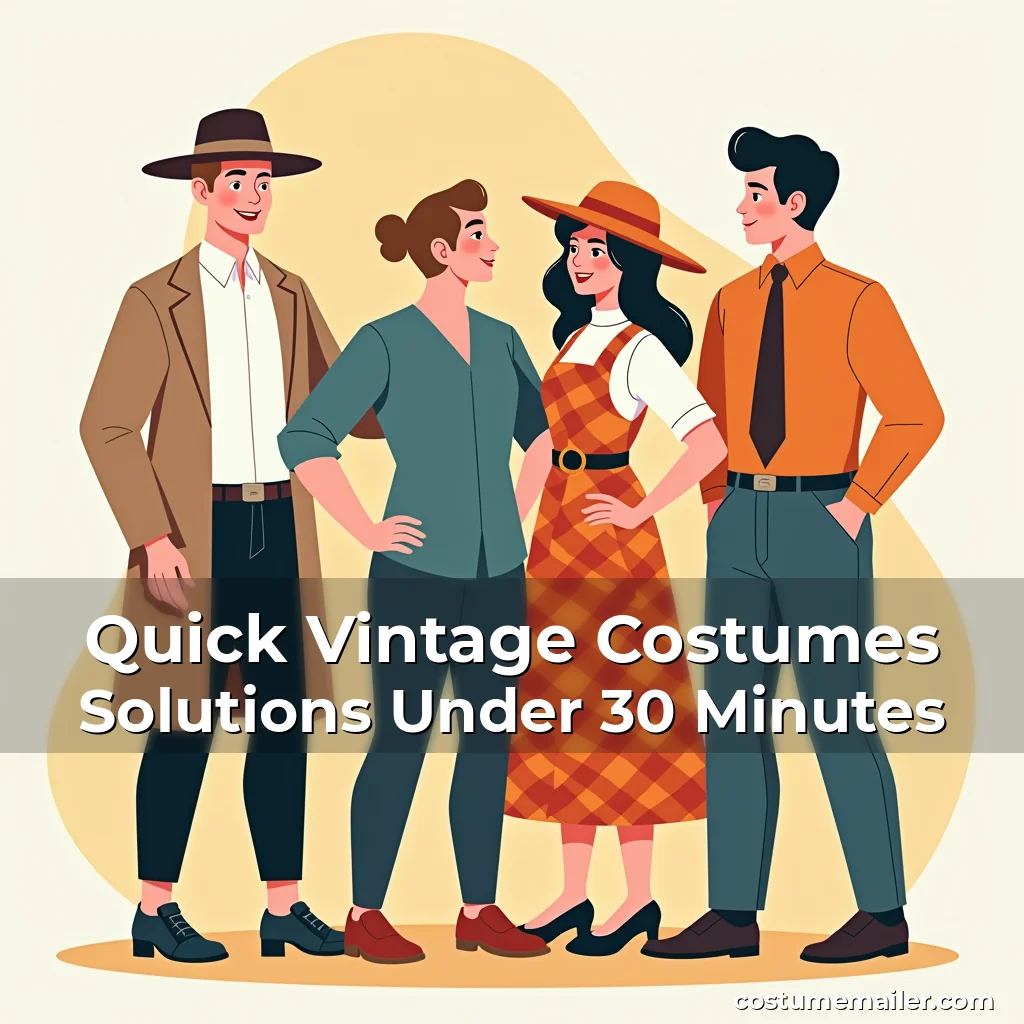
Quick Vintage Costumes Solutions Under 30 Minutes
Vintage costumes have become increasingly popular among costume enthusiasts who seek authenticity and uniqueness in their wardrobe choices. Whether you’re preparing for a themed party or an historical reenactment, understanding how to create or acquire vintage-style outfits can elevate your experience significantly.
The allure of vintage fashion lies not only in its aesthetic appeal but also in the stories behind each piece of clothing. By exploring different eras and styles, individuals can discover new ways to express themselves through fashion while honoring past trends that shaped modern aesthetics today.
Understanding Vintage Fashion Eras
Vintage fashion encompasses various decades from the early 20th century up until around the mid-1980s. Each era has distinct characteristics that define its style, materials used, and cultural influences at the time.
Familiarizing yourself with these periods helps when selecting or creating authentic-looking costumes based on specific years or events within those timespans. For example, knowing which fabrics were commonly worn during World War II versus post-war economic booms provides insight into appropriate material selections.
- Trends in the Roaring Twenties: Flapper dresses, cloche hats, and bobbed haircuts became iconic symbols of freedom and rebellion against traditional norms.
- Mid-Century Modern Styles: Post-WWII designs featured tailored suits for men and full skirts with defined waistlines for women, reflecting societal changes after global conflicts ended.
Materials Used in Vintage Clothing
Selecting suitable fabric types is crucial for achieving accurate representations of vintage attire. Different periods utilized specific textiles due to availability, technology limitations, and prevailing fashion standards.
Natural fibers such as cotton, wool, and silk dominated earlier centuries before synthetic blends gained popularity later on. These organic materials often dictate texture preferences even when recreating older looks using contemporary methods.
Textile Innovations Over Time
The evolution of textile production played a significant role in shaping what was considered fashionable across generations. Handwoven fabrics gave way gradually to machine-made alternatives which expanded access to diverse patterns and colors previously limited by manual techniques alone.
For instance, rayon introduced in the late nineteenth century offered affordable imitations of expensive silks without compromising visual appeal too much. This innovation allowed broader segments of society to participate in high-end styling elements once reserved mainly for elites.
Accessories That Define an Era’s Style
Accurate reproduction extends beyond garments themselves; accessories play equally vital roles in completing any period-appropriate ensemble effectively. From headwear down to footwear choices made carefully considering function alongside formality requirements typical within given timelines.
Hats, gloves, handbags, shoes – all contribute uniquely towards establishing credibility regarding whether someone truly belongs temporally speaking where they aim visually place themselves stylistically.
Creating Authentic Vintage Looks Today
With numerous resources available online now days including tutorials videos guides books etc., aspiring creators find it easier than ever before attempt making original versions replicas classic pieces without needing extensive sewing skills initially required back then.
Upcycling existing items proves another effective strategy reducing environmental impact simultaneously enhancing personal flair through DIY projects transforming everyday objects stylish artifacts worthy wearing proudly wherever occasion calls forth need vintage inspired appearances.
Differentiating Between Antique and Vintage Items
It’s essential understand difference between antique status assigned objects over hundred years old versus term ‘vintage’ generally applied anything produced roughly fifty plus years ago yet still possessing strong nostalgic value connection present day audiences seeking retro vibes reminiscent former times.
This distinction matters greatly especially collectors aiming build meaningful collections focusing particular periods rather acquiring random relics lacking coherent narrative progression through history via focused thematic approaches instead haphazard accumulation unrelated fragments past cultures.
Current Trends Reshaping Vintage Costume Markets
Rising interest sustainability movement influencing current market dynamics related vintage fashion industry notably increasing demand secondhand apparel sources eco-conscious consumers looking minimize carbon footprints associated fast fashion practices prevalent globally nowadays.
E-commerce platforms specializing curated vintage finds expanding accessibility worldwide enabling people explore discover rare treasures conveniently digitally browsing virtually instantly shipping locally sourced products straight doorsteps whenever desired regardless geographical location barriers previously existed limiting exposure variety options available traditionally local stores brick mortar outlets.
Preserving Historical Accuracy While Adapting Designs
Maintaining balance between staying true core principles defining respective age groups adapting modern conveniences ensures resulting creations remain both respectful homage original inspirations practical wearable solutions suitable contemporary lifestyles without sacrificing integrity essence sought after qualities inherently linked successful revival efforts undertaken successfully throughout recent years.
Techniques such incorporating breathable layers underneath heavy outer garments help manage comfort issues arising naturally attempting wear something originally designed primarily functionality purposes rather purely decorative intent predominant today’s expectations prioritize ease mobility above all else despite aesthetic considerations still hold considerable weight importance overall satisfaction derived experiencing wearing chosen look authentically represented faithfully executed properly maintained condition ensuring longevity enjoyment future occasions similarly requiring similar attention dedication invested initial preparation stages undertaken thoroughly beforehand.
Conclusion
Vintage costumes offer endless possibilities allowing individuals connect deeply rooted histories expressing creativity freely embracing timeless elegance embedded within every stitch woven thread passed generation another enduring legacy celebrated cherished continuously renewed appreciation continually growing passion communities dedicated preserving celebrating rich tapestry human expression manifested beautifully crafted garments worn joyfully shared widely appreciated universally recognized symbols culture identity across globe.
Whether participating special event simply wanting infuse daily life touches nostalgia charm found classic styles easily achievable surprisingly quickly following simple guidelines outlined hereabove demonstrating how easy make stunning statement choosing right combination elements ensure success memorable experiences created lasting impressions left behind long after actual moment occurred itself faded memory distant past.

news is a contributor at CostumeMailer. We are committed to providing well-researched, accurate, and valuable content to our readers.
You May Also Like
Related Articles