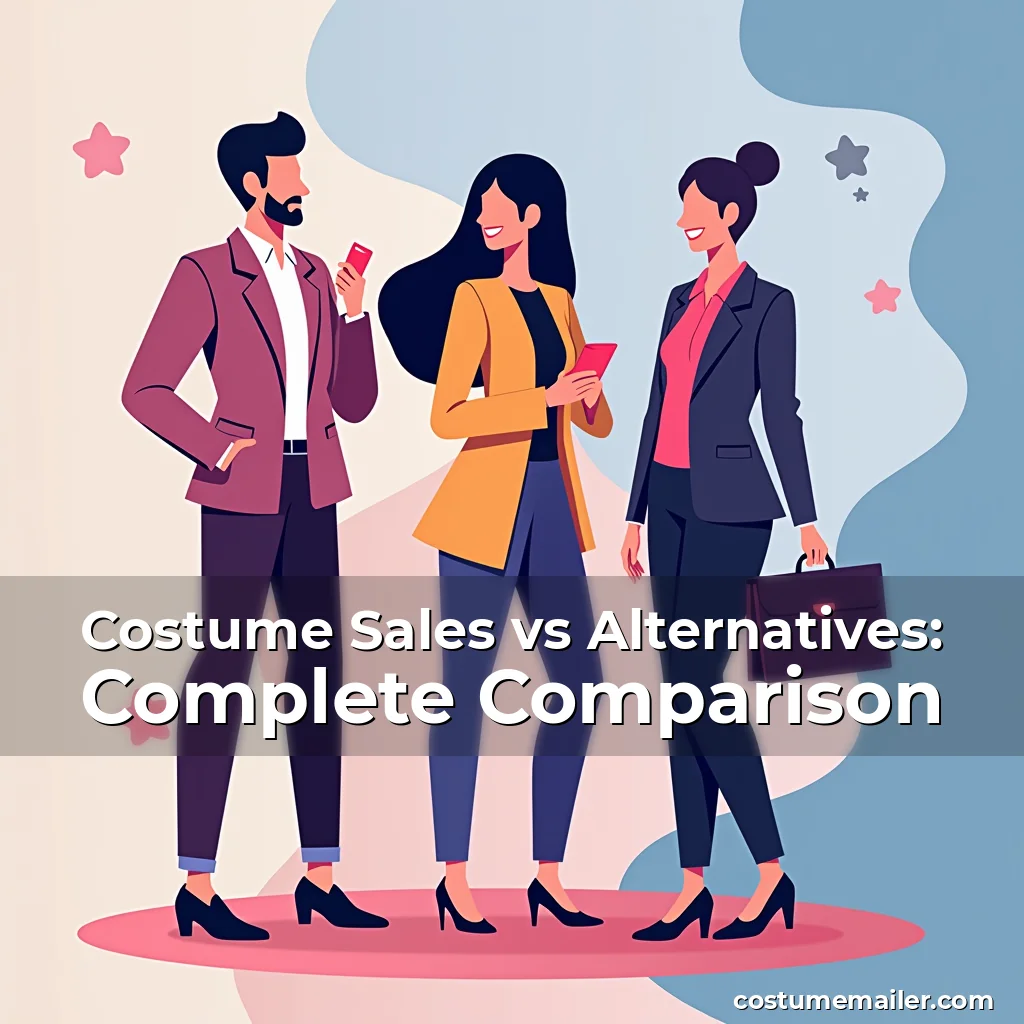
Costume Sales vs Alternatives: Complete Comparison
The world of costume creation and consumption is evolving rapidly, driven by shifting consumer behaviors, technological advancements, and growing environmental awareness. As members of the Costumemailer community and enthusiasts of wearable art, you’re likely familiar with the thrill of designing, sourcing, or selling costumes. However, the landscape now includes numerous alternatives to traditional costume sales, offering both opportunities and challenges.
This article dives deep into the nuances of costume sales compared to emerging solutions like rentals, subscriptions, DIY kits, and virtual experiences. By exploring these options side-by-side, we aim to equip you with actionable knowledge to make informed decisions whether you’re a seller, buyer, or creative designer in this vibrant sector.
The Rise of Traditional Costume Sales
Traditional costume sales remain a cornerstone of the industry, particularly during seasonal events like Halloween, cosplay conventions, and theatrical productions. These transactions typically involve physical products sold through retail stores, online platforms, or direct-to-consumer channels.
One of the primary advantages of traditional sales lies in the tangible experience customers receive. When purchasing a costume, buyers often expect immediate ownership, customization options, and the satisfaction of owning a finished product. This model thrives on demand spikes around holidays and special occasions.
However, traditional costume sales face increasing competition from alternative models. Rising production costs, sustainability concerns, and changing consumer expectations have forced retailers and designers to rethink their strategies.
- Pros: Immediate possession, wide availability, established supply chains
- Cons: High waste generation, limited customization, price fluctuations due to seasonality
Digital Transformation and E-commerce Platforms
The rise of e-commerce has revolutionized costume sales, making it easier than ever to access global markets. Online retailers like Etsy, Amazon, and specialized costume shops offer vast selections, competitive pricing, and customer reviews that enhance trust.
E-commerce platforms also enable independent creators to reach audiences worldwide. With tools like Shopify and WooCommerce, aspiring costume designers can launch their own stores, manage inventory digitally, and engage directly with customers through social media marketing.
Despite these benefits, digital sales come with challenges. Shipping delays, return policies, and the difficulty of accurately representing fabric textures and fit in photos can lead to dissatisfaction among buyers.
A recent report by Statista revealed that over 68% of consumers prefer shopping for costumes online due to convenience factors. Yet, only 42% expressed full confidence in receiving items that match their expectations.
The Role of Social Media in Digital Sales
Social media platforms play a crucial role in modern costume sales. Instagram, Pinterest, and TikTok serve not only as advertising spaces but also as inspiration hubs where users discover new styles and share their creations.
Content creators and influencers have become vital partners for costume sellers. Collaborations can drive traffic to online stores, increase brand visibility, and foster loyal customer bases. Hashtag campaigns and user-generated content further amplify reach organically.
Data shows that posts tagged #costumesale on Instagram see 25% higher engagement rates compared to general fashion hashtags. This underscores the importance of visual storytelling in driving conversions on digital platforms.
Rentals: A Sustainable Alternative Gaining Momentum
Costume rentals present a compelling alternative to outright sales, especially for high-cost pieces or infrequently worn outfits. Rental services allow users to enjoy exclusive designs without permanent ownership, reducing overall waste and financial burden.
This model appeals particularly to event organizers, theater groups, and individuals attending themed parties. Companies specializing in costume rentals operate either locally via pop-up kiosks or globally through mail-order systems.
From an environmental perspective, rentals align well with circular economy principles. According to Fashion Revolution, clothing rentals reduce carbon emissions by approximately 40% compared to single-use garments.
However, rental businesses require significant investment in logistics, maintenance, and quality control. Ensuring hygiene standards, managing inventory efficiently, and maintaining customer satisfaction pose ongoing operational challenges.
DIY Kits and Customization Options
For those who enjoy crafting, DIY costume kits provide an affordable entry point into costume design. These packages usually include pre-cut materials, patterns, and instructions suitable for beginners and experienced sewers alike.
Customization services represent another lucrative avenue. Offering bespoke alterations allows sellers to differentiate themselves in crowded markets while catering to specific body types, preferences, or themes requested by clients.
While DIY options promote creativity and self-expression, they may deter casual shoppers seeking ready-made solutions. Balancing accessibility with exclusivity remains critical when integrating custom offerings into your business strategy.
Market research indicates that nearly 60% of costume buyers aged 18–35 express interest in personalized modifications, showing strong potential for niche segments focusing on tailoring services.
Subscription Boxes: Curated Experiences for Enthusiasts
Subscription-based models have gained traction across industries, including costume sales. Monthly or quarterly deliveries containing curated collections appeal to collectors and frequent attendees of themed gatherings.
Such services
Community-driven initiatives like charity costume swaps contribute positively toward social responsibility goals while simultaneously promoting brand values aligned with sustainability missions.
Engagement metrics demonstrate that active participation in group activities increases average order values by approximately 15%, showcasing measurable outcomes tied closely to relationship building endeavors.
Conclusion
In examining the multifaceted terrain surrounding costume sales and its alternatives, it’s evident that no singular solution fits all scenarios perfectly. Whether opting for conventional methods or pioneering novel approaches, success hinges largely upon aligning chosen pathways with target audience desires.
By critically assessing available choices – weighing factors ranging from economic feasibility to ecological footprint – stakeholders position themselves advantageously amidst dynamic changes shaping today’s marketplace. Embracing innovation thoughtfully promises enduring relevance regardless of fluctuating trends affecting the broader fashion ecosystem.

news is a contributor at CostumeMailer. We are committed to providing well-researched, accurate, and valuable content to our readers.
You May Also Like
Related Articles