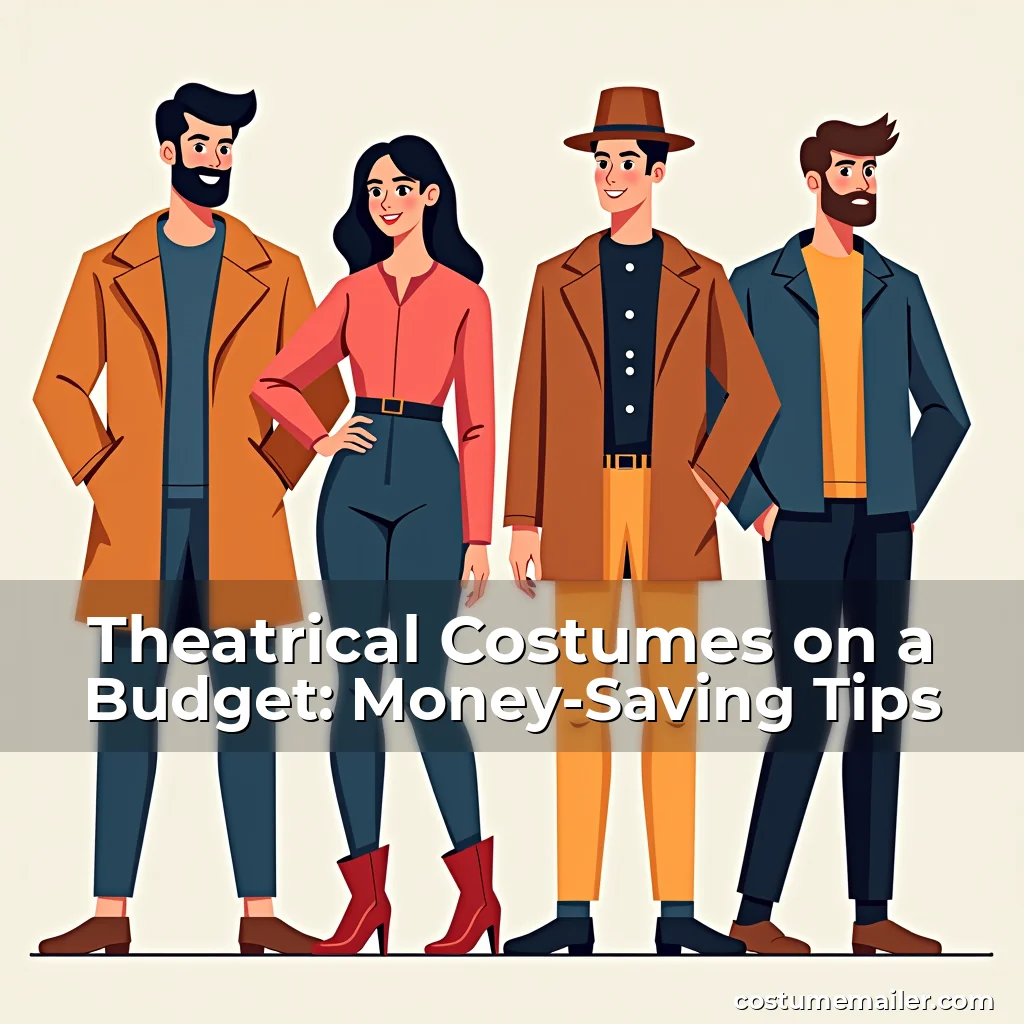
Theatrical Costumes on a Budget: Money-Saving Tips
In the vibrant world of theater, costumes are not merely accessories but essential elements that breathe life into characters and enhance storytelling. However, creating or purchasing these outfits can be a significant financial burden, especially for community theaters, schools, or independent productions.
This guide offers practical strategies to craft stunning theatrical costumes without emptying your wallet. Whether you’re an amateur actor, costume designer, or theater enthusiast, these tips will help you achieve professional results while keeping expenses manageable.
The Power of Thrift Stores and Secondhand Shopping
Thrift stores and secondhand shops have become treasure troves for savvy costume designers seeking affordable materials and garments. These locations often house items previously owned by individuals who may have outgrown them or no longer wear them, providing opportunities for creative reuse at minimal costs.
Shopping at thrift stores also supports sustainable practices by reducing textile waste and giving new life to existing clothing. This approach aligns well with modern values surrounding environmental responsibility and ethical consumption.
- Look for versatile pieces: Items such as jackets, skirts, and blouses can be altered easily to fit various character requirements.
- Inspect quality carefully: While prices are low, ensure garments are clean, intact, and suitable for alterations before making purchases.
Leveraging Fabric Scraps and Leftover Materials
Many costume workshops accumulate fabric scraps from previous projects. Instead of discarding these remnants, they can serve as excellent resources for crafting new costumes or embellishments. Even small amounts of fabric can yield impressive results when used creatively.
Fabric scrap bins encourage resourcefulness among costume makers. By organizing leftover textiles based on color, texture, and type, designers can efficiently locate appropriate materials for upcoming projects without needing additional purchases.
Crafting Custom Designs Using Recycled Fabrics
Recycling old fabrics is an innovative way to create custom designs that reflect individuality within budget constraints. Vintage scarves, tablecloths, and curtains offer rich textures and patterns that can transform plain garments into visually striking ensembles.
Before beginning any project involving recycled materials, wash all fabrics thoroughly to remove dirt and odors. Preparing these materials ensures they are ready for use and prevents unwanted surprises during construction phases.
- Use eco-friendly dyes: Natural dyes derived from plants or minerals provide vibrant colors without harmful chemicals typically found in commercial products.
- Create patchwork effects: Combining different types of fabric through quilting techniques adds depth and visual interest to costumes.
Collaborating with Local Artists and Crafters
Engaging local artists and crafters fosters a sense of community while expanding access to unique costume components. Many artisans specialize in handcrafted jewelry, accessories, or decorative elements that elevate standard attire without requiring extensive sewing skills.
Establishing relationships with nearby creators allows for customized solutions tailored specifically to each production’s needs. Collaborations might involve sharing resources or exchanging favors to benefit both parties involved.
- Host swap events: Organize gatherings where participants exchange unused supplies, tools, or finished items to reduce overall spending.
- Barter services: Offer assistance with tasks outside someone else’s expertise in return for their specialized work on your project.
Utilizing Digital Platforms for Costume Inspiration and Resource Sharing
Digital platforms play a crucial role in connecting costume enthusiasts worldwide. Social media groups dedicated to theatrical fashion allow users to share ideas, seek advice, and discover hidden gems available locally or online.
Online marketplaces specializing in vintage goods enable easy acquisition of rare finds that would otherwise require expensive retail purchases. Additionally, forums focused solely on costume design facilitate discussions around techniques and material sourcing.
- Join virtual communities: Participate actively in Facebook groups, Reddit threads, or Instagram pages centered around theater costumes.
- Explore digital archives: Access historical costume databases offering insight into period-appropriate styles useful for specific roles or eras.
Implementing DIY Techniques for Costumes
Developing basic sewing and crafting skills significantly reduces dependency on pre-made costumes or store-bought accessories. Learning fundamental stitching methods enables modifications to off-the-rack clothing, transforming simple garments into dramatic looks suited for stage performances.
Simple tutorials found online cover everything from hemming seams properly to attaching buttons securely. Investing time in mastering these foundational skills pays dividends over time by minimizing future expenditures related to repairs or replacements.
- Practice patience: Rushed attempts often lead to mistakes; taking extra care improves outcomes dramatically.
- Purchase quality tools: Good needles, thread, and scissors make all difference when executing precise stitches consistently.
Repurposing Everyday Clothing for Stage Wear
Everyday clothes can undergo remarkable transformations under skilled hands. Denim jeans turned into medieval armor, t-shirts reimagined as fantasy robes – imagination sets limits only constrained by creativity itself.
Washing and preparing base garments beforehand ensures better adhesion of paint, dye, or other treatments applied later. Proper preparation enhances durability and appearance across multiple uses.
- Add layers strategically: Incorporating sheer overlays or contrasting linings increases complexity without excessive effort.
- Experiment with textures: Mixing smooth surfaces with rougher ones creates dynamic visual contrasts ideal for highlighting key features onstage.
Maximizing Limited Budgets Through Bulk Purchases
Bulk buying fabric, trimmings, or notions proves economical whenever possible. Retailers frequently discount bulk quantities, allowing cost-effective accumulation of necessary supplies for larger productions or recurring events.
Planning ahead helps identify what materials are required upfront so that shopping trips remain targeted rather than impulsive. Keeping track of inventory avoids duplication efforts which waste both money and space.
- Negotiate pricing: Some vendors appreciate repeat business; asking politely sometimes yields favorable terms.
- Shop seasonally: Off-season sales present prime opportunities to stock up cheaply on high-quality items expected to sell quickly elsewhere.
Creating Authentic Period Pieces Within Constraints
Accurate representation of historical periods demands research but need not break the bank. Museum websites, academic papers, or documentaries often feature images illustrating typical dress codes associated with particular times or regions.
Using replicas instead of originals maintains authenticity while controlling costs effectively. Store-bought reproductions match original designs closely enough for most purposes unless extreme accuracy absolutely mandatory.
- Focus on core elements: Prioritize essential aspects defining era-specific fashions rather than minor details unlikely noticed audiences.
- Use common motifs: Popular symbols or patterns recur widely throughout history helping maintain consistency even when using simplified versions.
Educational Resources for Aspiring Costume Designers
Accessing educational resources broadens understanding and proficiency in costume creation. Online courses covering garment construction, pattern drafting, or textile science equip beginners with indispensable knowledge applicable practically.
Libraries hold books detailing traditional techniques alongside contemporary approaches suitable for varying skill levels. Borrowing texts provides exposure without initial investment required outright purchase.
- Take advantage of free webinars: Many institutions host live sessions exploring topics relevant today’s evolving industry standards.
- Attend workshops locally: Hands-on training experiences reinforce theoretical learning gained through reading alone.
Maintaining Longevity of Theatrical Costumes
Proper maintenance extends lifespan considerably saving long-term funds spent replacing damaged attire regularly. Regular cleaning according to manufacturer guidelines preserves integrity preventing premature deterioration caused neglect.
Storing costumes correctly minimizes risk of mold growth, fading due sunlight expo
- Spot treat stains promptly: Delaying action lets marks set permanently affecting aesthetics visibly afterwards.
- Use breathable storage containers: Avoid plastic bags trapping moisture leading potential rot issues over extended periods.
Supporting Emerging Talent Through Commission Work
Hiring emerging talent offers mutually beneficial arrangements wherein aspiring professionals gain experience while productions secure fresh perspectives at reasonable rates compared established experts charging premium fees.
Setting clear expectations regarding deadlines, revisions allowed, and compensation structure upfront avoids misunderstandings later causing tension between collaborators engaged same goal ultimately.
- Provide constructive feedback: Encouragement combined critique helps refine abilities gradually toward mastery level desired.
- Offer mentorship opportunities: Guiding younger generations nurtures pipeline continuous innovation sustained indefinitely.
Conclusion
By embracing inventive solutions rooted sustainability, thriftiness, collaboration, education, and preservation principles discussed above, anyone passionate about theatre can produce exceptional costume displays worthy professional caliber regardless personal financial limitations encountered initially.
Remember that every great masterpiece begins somewhere ordinary—often starting exactly where you now stand facing blank canvas awaiting transformation through imagination guided wisdom shared here today.

news is a contributor at CostumeMailer. We are committed to providing well-researched, accurate, and valuable content to our readers.
You May Also Like
Related Articles