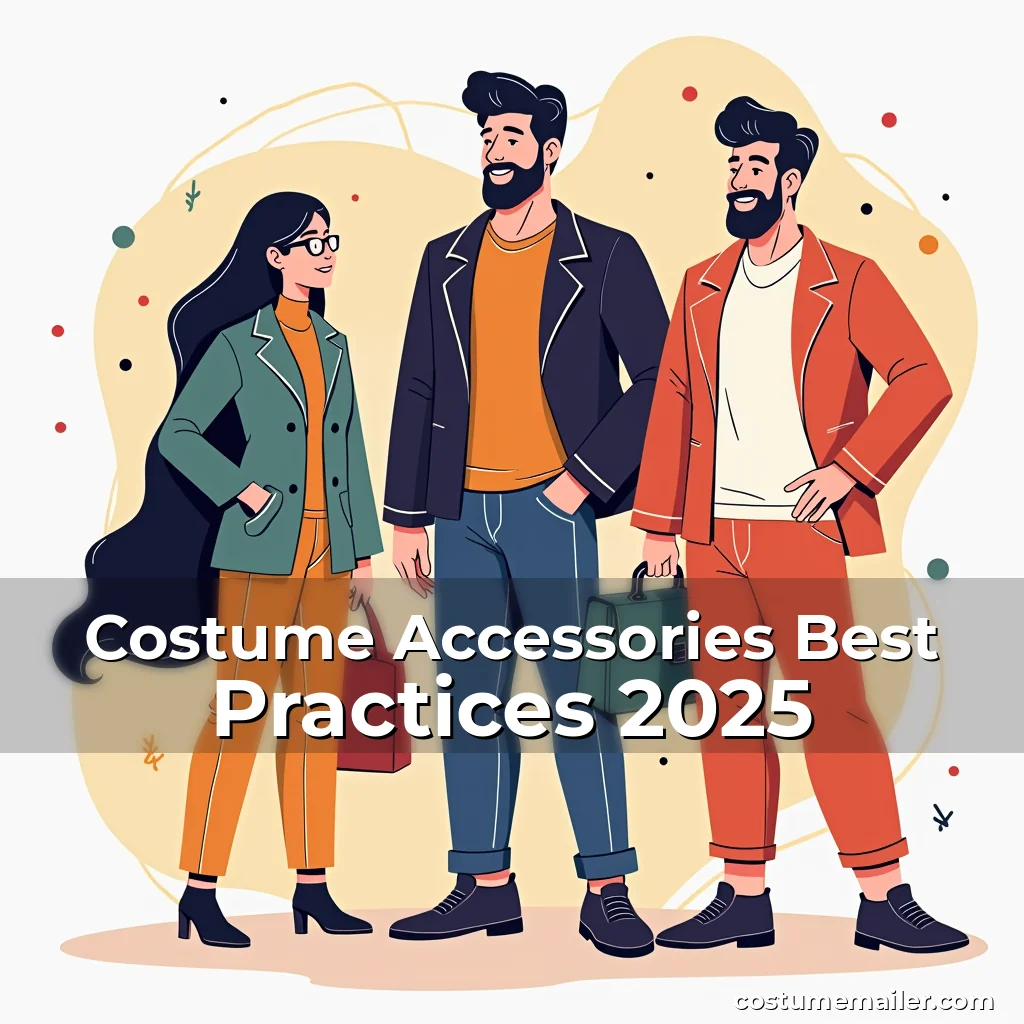
Costume Accessories Best Practices 2025
In 2025, costume accessories are evolving rapidly to reflect dynamic cultural influences and technological advancements. From traditional handcrafted pieces to futuristic digital enhancements, the world of costume design offers endless opportunities for creativity and self-expression.
This guide explores essential strategies for selecting, creating, and maintaining costume accessories that elevate any ensemble, whether you’re preparing for a themed event or a professional performance.
The Role of Costume Accessories in Thematic Storytelling
Accessories play a pivotal role in defining characters and enhancing narrative immersion within costumes. They serve as visual cues that convey personality traits, social status, and even historical context.
A simple prop like a sword can transform an actor into a noble warrior, while a delicate brooch might signify aristocratic lineage. These elements work together to build believable worlds on stage or screen.
- Social Signifiers: Jewelry, hats, and sashes often indicate rank or profession within fictional societies.
- Cultural Artifacts: Specific trinkets can represent heritage, religious beliefs, or regional customs from diverse backgrounds.
- Symbolic Elements: Colors, patterns, and materials frequently carry hidden meanings that enrich character development.
- Dramatic Contrast: Strategic placement of bold accessories can highlight dramatic contrasts between characters or settings.
Selecting Authentic Materials for Period Accuracy
Achieving period authenticity requires careful material selection. Researching historical textile compositions helps recreate accurate fabrics that align with era-specific production methods.
For Victorian-era garments, natural fibers like cotton and wool were predominant, whereas synthetic blends became popular in the mid-twentieth century. Understanding these nuances enhances overall costume realism.
Fabric Composition Guidelines
Pre-industrial textiles typically featured linen or hemp for working-class attire, while silk was reserved for royalty. Modern recreations may use rayon or polyester alternatives for durability without compromising aesthetics.
When replicating armor, metal alloys such as steel or brass provide authentic weight and sheen compared to lighter modern metals which lack historical accuracy.
Modern Innovations in Accessory Design
Contemporary designers incorporate cutting-edge technologies to enhance traditional accessories. LED lighting now illuminates masks, jewelry boxes, and ceremonial wear with programmable effects.
Holographic films applied to fabric surfaces allow for interactive storytelling experiences during performances. These innovations push creative boundaries while preserving artistic integrity.
- Laser-Cut Components: Precision manufacturing enables intricate detailing previously impossible with manual tools.
- Smart Fabrics: Embedded sensors respond to motion or sound triggers, activating special features like changing colors or producing sounds.
- Augmented Reality Integration: Digital overlays complement physical accessories by revealing additional story layers through mobile devices.
- Nanotechnology Applications: Self-cleaning coatings protect delicate materials from damage during prolonged use or storage.
Customization Techniques for Personalized Accents
Bespoke modifications allow individuals to tailor mass-produced items into truly unique creations. Dyeing, embossing, and engraving transform standard accessories into personalized masterpieces.
Vintage finds offer excellent bases for customizations, providing character-rich foundations that can be enhanced through strategic alterations. This hybrid approach bridges nostalgia with contemporary styles.
Tips for Effective Customization
Before altering any item, conduct thorough research about its original function and potential uses post-modification. Always test new treatments on small inconspicuous areas first.
Use archival-quality adhesives and dyes designed specifically for vintage textiles to prevent irreversible damage over time. Document your modification process carefully for future reference.
Eco-Conscious Approaches to Accessory Creation
Sustainable practices are becoming increasingly vital in costume design. Reclaimed materials, biodegradable resins, and plant-based dyes contribute to environmentally friendly accessory making.
Upcycling discarded clothing and household objects creates stunning accessories while reducing waste. Supporting ethical manufacturers ensures fair labor conditions along supply chains.
- Circular Economy Models: Participate in rental programs or swap events to extend product lifecycles beyond single-use scenarios.
- Polymer Alternatives: Replace conventional plastics with mycelium-based composites or algae-derived polymers whenever possible.
- Local Sourcing: Purchase raw materials from nearby suppliers to minimize carbon footprint associated with transportation logistics.
- Non-Toxic Treatments: Opt for natural tannins instead of chemical-based preservatives that harm ecosystems during decomposition.
Storage Solutions for Long-Term Preservation
Proper storage prevents deterioration of precious costume accessories over extended periods. Acid-free tissue paper, climate-controlled environments, and UV-blocking containers safeguard sensitive items.
Digitizing inventory records using cloud-based platforms simplifies tracking locations, condition reports, and maintenance schedules for extensive collections.
Organizational Strategies
Create clear labeling systems categorizing items by type, era, or project association. Implement tiered shelving units optimized for accessibility without damaging fragile components.
Invest in vacuum-sealed bags containing desiccant packets to combat humidity issues, particularly important in tropical climates prone to mold growth.
Budget-Friendly Shopping Tactics for Accessories
Strategic shopping habits enable acquiring high-quality accessories without financial strain. Thrift stores, online marketplaces, and clearance sales offer remarkable deals on premium products.
Joining costume guilds provides access to exclusive discounts and trade resources. Bartering within communities fosters collaboration while expanding personal wardrobes inexpensively.
- Craft Fairs: Local artisan markets feature handmade goods often priced significantly lower than commercial retailers.
- Seasonal Sales: Major holidays bring substantial markdowns on holiday-themed accessories and seasonal costume kits.
- Guild Memberships: Subscription services grant early access to limited-edition items at discounted rates.
- DIY Kits: Affordable starter packs provide basic materials necessary for creating personalized accessories from scratch.
Ensuring Safety Standards in Performance Environments
All costume accessories must pass rigorous safety checks before being worn in public spaces. Fire-retardant treatments, secure fastening mechanisms, and non-allergenic materials are essential considerations.
Stage managers routinely inspect props for loose parts that could become projectiles during movement sequences. Regular maintenance schedules prevent unexpected failures during live shows.
- Mechanical Stability Tests: All moving parts undergo load-bearing assessments to guarantee reliable operation under stress.
- Toxicity Assessments: Fabric softeners and adhesives receive chemical analysis to confirm they pose minimal health risks.
- Weight Distribution Evaluations: Accessories are tested for balance to avoid discomfort or injury during extended wear periods.
- Emergency Protocols: Clear procedures exist for rapid removal of hazardous items in case of accidents or emergencies.
Conclusion
Mastering costume accessories involves understanding their symbolic significance, choosing appropriate materials, embracing innovation, practicing sustainability, implementing proper preservation methods, shopping wisely, prioritizing safety, and continuously refining skills.
By applying these best practices consistently, creators can produce exceptional ensembles that captivate audiences while respecting tradition, environmental concerns, and budgetary limitations. Let your imagination flourish within these guiding principles to craft unforgettable costume experiences year after year.
“`

news is a contributor at CostumeMailer. We are committed to providing well-researched, accurate, and valuable content to our readers.
You May Also Like


Related Articles