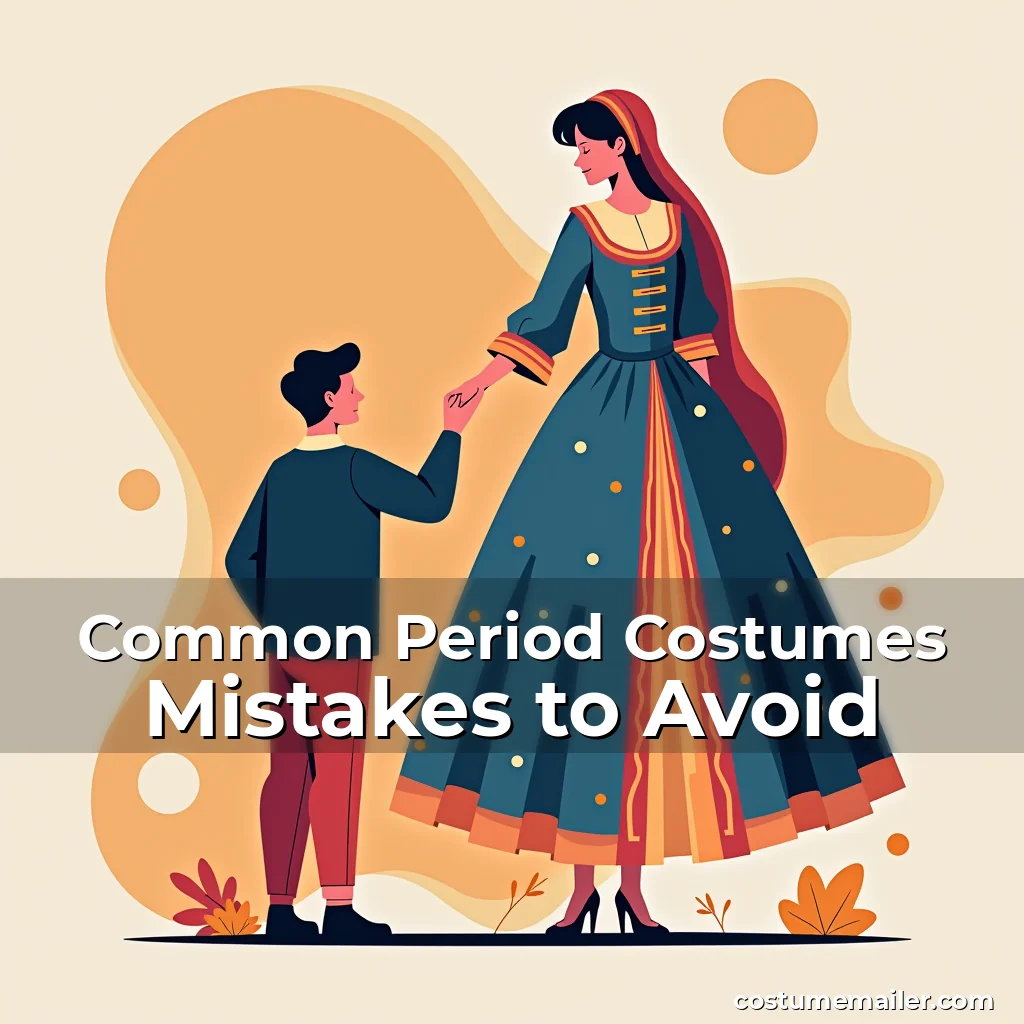
Common Period Costumes Mistakes to Avoid
The allure of period costumes lies not only in their visual appeal but also in the intricate historical accuracy they represent. However, many enthusiasts inadvertently make errors that can detract from the authenticity of these outfits. Understanding common mistakes is crucial for anyone looking to enhance their costume-making skills.
Mistakes often stem from a lack of research or misunderstanding of historical context. For instance, selecting fabrics that were not available during the specified time period can lead to anachronisms that confuse historians and purists alike. By recognizing these pitfalls early, you can elevate your costume creations to new heights.
Selecting Inappropriate Fabrics
Fabric choices play a pivotal role in determining how authentic a period costume appears. Many modern materials are simply incompatible with the era’s textile production methods. This mismatch can result in costumes that look out of place when viewed through a historical lens.
For example, using synthetic blends such as polyester or rayon for Renaissance attire would be akin to wearing plastic in the 16th century. These materials did not exist at that time and could disrupt the intended aesthetic of the garment. Instead, opt for natural fibers like wool, linen, or silk which were commonly used across various periods.
A thorough understanding of fabric availability by region and timeframe is essential. Different regions had access to different types of textiles based on climate, trade routes, and local resources. A garment made from cotton may seem simple enough, but its use varied significantly depending on where and when it was worn.
Additionally, consider the texture and weight of fabrics relative to the season. Lighter linens were favored in warmer climates while heavier wools dominated colder regions. Ensuring consistency within each piece helps maintain overall authenticity.
- Research regional textile production: Investigate what kinds of fabrics were produced locally versus imported goods during your chosen time frame.
- Analyze seasonal appropriateness: Match fabric weights with typical weather patterns relevant to both geography and calendar months associated with the event being reenacted.
- Consult primary sources: Look into surviving garments or documentation detailing actual fabric usage rather than relying solely on secondary interpretations.
Inaccurate Color Usage
Color selection might appear straightforward; however, achieving historically accurate hues requires careful consideration beyond mere preference. Colors were limited by dye technology available at any given moment in history, which greatly influences color palettes we see today.
Dyes derived from plants, minerals, and insects created vibrant yet distinct shades compared to modern chemical dyes. Achieving these colors demands knowledge about traditional dyeing techniques along with appropriate plant-based pigments suitable for your target period.
Some colors were either unattainable or extremely costly due to scarcity of necessary ingredients. Deep blues required expensive indigo obtained through long-distance trade networks whereas reds came mainly from cochineal insect extracts—a luxury item reserved primarily for nobility.
Ignoring these limitations results in garb that looks artificially bright or overly saturated—qualities foreign to most historical contexts unless specifically depicted in fictional works set against those backgrounds.
- Study historical records: Examine paintings, manuscripts, or archaeological findings showcasing real color applications from your selected era.
- Experiment with natural dyes: Engage hands-on learning experiences by attempting small-scale projects using accessible organic materials before committing fully to larger pieces.
- Consider social status implications: Remember certain colors denoted class distinctions meaning lower classes couldn’t afford luxurious tones typically seen among aristocrats.
Improper Garment Construction Techniques
Garments constructed using contemporary sewing methods often betray themselves upon closer inspection. While convenience matters little regarding fashion trends, reconstructive accuracy hinges heavily on employing correct tailoring practices rooted firmly within targeted historical frameworks.
Certain stitching styles became standard features defining entire eras’ sartorial identities. Using flat-felled seams instead of hand-sewn buttonholes might feel efficient but ultimately compromises fidelity to original craftsmanship expectations prevalent centuries ago.
Furthermore, closures such as buttons, laces, and fasteners evolved dramatically over time. Modern zippers or Velcro attachments introduce glaring anachronisms unsuitable even for casual portrayals aiming merely at superficial resemblance without deeper engagement with underlying principles governing clothing construction.
Understanding how garments functioned structurally within specific cultural settings enhances realism considerably. Layering systems involving petticoats beneath bodices, corsetry shaping silhouettes appropriately according to prevailing ideals about female form—all require meticulous attention paid towards replicating functional aspects accurately.
- Investigate seam treatments: Research how edges were finished off traditionally including techniques like binding with bias tape or whipstitching around openings manually.
- Recreate closure mechanisms authentically: Replace modern fastening solutions entirely with replicas fashioned after genuine artifacts found archaeologically or documented pictographically.
- Master silhouette-specific layering strategies: Learn about undergarments requirements dictated by desired outerwear shapes ensuring full bodily support where needed without creating unintended bulges.
Overlooking Undergarments & Linings
Many people overlook the importance of underlayers when crafting period-appropriate attire. Yet these foundational elements contribute immensely toward final appearance and comfort levels experienced firsthand by individuals donning them historically.
Silk chemises served dual purposes acting simultaneously as protective barriers against direct skin contact with rougher outer fabrics plus functioning practically as absorbents managing sweat buildup effectively throughout extended wear durations.
Bodysuits known colloquially as’shifts’ provided additional structural integrity helping maintain shape stability especially vital considering frequent movement involved daily life activities back then. Their absence frequently leads to drooping effects spoiling otherwise well-intentioned efforts aimed at recreating idealized forms.
Properly layered constructions ensured modesty compliance strictly enforced societal norms concerning exposure limits acceptable publicly visible portions bodies permitted socially sanctioned interaction spaces.
- Replicate foundation layers precisely: Ensure every element matching historical equivalents down to weave structures utilized originally for comparable functions.
- Use breathable innermost layers: Choose lightweight natural fiber options promoting air circulation preventing excessive perspiration accumulation leading potential odor issues prolonged usage scenarios.
- Understand purpose behind each component: Recognize why particular items existed serving designated roles enhancing usability alongside contributing visually cohesive ensembles.
Incorrect Application Of Embellishments And Trim
Embellishment placement follows strict conventions varying widely between cultures and epochs necessitating precise adherence lest misinterpretations arise causing confusion amongst observers unfamiliar nuances distinguishing legitimate decorative elements from modern imitations.
Gold thread embroidery featured prominently during Medieval Europe signifying wealth power wielders adorned themselves accordingly reflecting hierarchical positions held within feudal societies. Conversely, simpler floral motifs characterized rural populations whose means restricted extravagant embellishments.
Similarly, beadwork traditions differ vastly geographically requiring localized studies prior embarking creative ventures intending emulate indigenous peoples’ aesthetics accurately avoiding cultural appropriation pitfalls arising unintentionally through ignorance lacking depth exploration requisite successful representation.
Even seemingly innocuous additions like ribbon bows carry significant symbolism potentially altering perceived messages conveyed via visual cues embedded intentionally within dress codes regulating behavior expectations implicitly communicated through attire selections.
- Examine cultural significance: Determine whether certain trims hold special meanings transcending purely ornamental value influencing wearer’s identity perception externally projected onto others viewing person dressed thusly.
- Match scale proportionately: Size relationships matter greatly ensuring smaller accents complement grander designs harmoniously together forming balanced compositions pleasing eye regardless viewer familiarity level.
- Verify material compatibility: Confirm all added components compatible existing substrates physically adhering securely preventing detachment incidents occurring during normal activity engagement periods.
Disregarding Footwear And Accessories Compatibility
Footwear choices extend far beyond mere functionality encompassing integral parts complete ensemble deserving equal respect afforded upper body apparel segments regarded paramount importance traditionally.
Shoes designed specifically for medieval knights differed radically from those worn peasants highlighting stark contrasts socioeconomic strata reflected outward appearances maintained meticulously reinforcing internal divisions existing society structures prevailing respective times.
Accessories too serve multifaceted roles combining utility aesthetics fulfilling practical needs alongside augmenting personal style statements crafted deliberately conveying messages about individual characteristics values upheld consciously displayed openly.
Belts, pouches, gloves—all bear distinctive traits identifying professions vocations engaged pursuing livelihoods sustained economically viable manner dependent upon prevailing market conditions existing concurrently with outfit being recreated faithfully mirroring original intent behind design choices implemented initially.
- Coordinate footwear with garment type: Select shoes aligning closely with general silhouette maintaining proportional balance enhancing overall cohesion reducing jarring juxtapositions disrupting seamless integration achieved successfully when done correctly.
- Evaluate accessory necessity: Assess whether included accessories genuinely belonged age group gender category ensuring relevance rather than arbitrary inclusion diluting message clarity lost amidst clutter overwhelming viewers unable discern primary focal points easily.
- Ensure durability standards match originals: Reproduce durable materials capable enduring similar stress factors encountered regular use cycles guarantee longevity preserving quality appearance over time despite repeated handling exposures inevitable occurrences accompanying active participation events demanding physical exertion.
Historical Contextualization Errors
One critical oversight involves failing to contextualize costumes within broader socio-political environments shaping dress norms universally applicable across demographics irrespective geographical locations occupied contemporaneously.
Puritanical restrictions imposed stringent regulations controlling allowable fabric types permissible cutlines dictating minimal exposure thresholds strictly monitored religious authorities enforcing moral codes prioritizing piety above personal expression preferences.
Conversely, urban centers thriving commercial hubs fostered greater experimentation allowing wider range variations emerging naturally from increased mobility opportunities facilitating cross-cultural exchanges enriching stylistic vocabularies accessible populace residing there benefiting directly from proximity innovation sources.
Failure to acknowledge these dynamics produces misleading impressions suggesting homogeneity non-existent reality wherein diversity flourished alongside constraints coexisting dynamically evolving continuously responding external pressures internally generated tensions striving equilibrium perpetually shifting landscape.
- Explore regional differences: Compare contrasting approaches taken differing locales revealing rich tapestry multicultural interactions informing nuanced perspectives challenging assumptions previously accepted uncritically.
- Assess political influence: Understand how governance structures impacted fashion trends imposing top-down mandates restricting bottom-up innovations stifling creativity until circumstances changed enabling resurgence renewed interest revival old styles adapted newly emergent realities.
- Reflect on technological advancements: Note correlations between industrial revolutions improving manufacturing capabilities increasing accessibility lowering costs making once-exclusive items affordable masses thereby democratizing fashion transforming elitism exclusivity into mass-produced commodities enjoyed broadly across population spectrum.
Underestimating Fabric Care Requirements
Maintaining period costumes involves more than just initial creation; ongoing care ensures preservation of materials and historical integrity remains intact over time. Neglecting proper maintenance routines risks damaging delicate fabrics and compromising the authenticity of the costume itself.
Many natural fibers require specialized cleaning processes unlike synthetic counterparts resistant to conventional detergents. Incorrect washing techniques can cause irreversible harm manifesting through shrinkage, fading, or weakening of fabric structure undermining years spent perfecting reconstruction efforts.
Storing costumes improperly exacerbates deterioration concerns particularly affecting garments containing metallic threads prone to tarnishing when exposed humid environments. Utilizing archival-quality storage containers lined with acid-free paper provides optimal protection minimizing risk degradation caused environmental factors.
Regular inspections allow timely intervention addressing minor issues before they escalate into major problems threatening entire collections worth considerable investment emotionally financially invested individuals painstakingly assembled piece-by-piece labor-intensive process demanding patience persistence dedication rewarding results achieved eventually.
- Implement gentle laundering protocols: Always follow manufacturer guidelines recommending mild soaps free harsh chemicals suitable sensitive materials ensuring continued viability future display occasions requiring pristine condition presentation standards expected professional venues hosting public exhibitions.
- Utilize controlled storage conditions: Maintain stable temperatures humidity levels ideally below recommended thresholds prolonging lifespan reducing susceptibility mold growth pests attracted dampness conducive breeding grounds unwanted organisms invading unprotected areas vulnerable damage.
- Perform routine examinations: Conduct periodic assessments checking for signs wear tear identifying weak spots preemptively repairing vulnerabilities averting catastrophic failures jeopardizing irreplaceable assets valued highly among collectors enthusiasts dedicated field advancing appreciation heritage through tangible manifestations preserved carefully handled respectfully honored appropriately.
Conclusion
By steering clear of these common pitfalls related to period costume creation, you not only honor the rich tapestry of history but also ensure your work resonates authentically with fellow enthusiasts and scholars alike.
Whether you’re preparing for a living history event, theatrical performance, or personal collection expansion, applying these insights will elevate your craftsmanship and deepen your connection to the past. Embrace the journey of continuous learning and refinement—it’s an integral part of mastering this fascinating art form.

news is a contributor at CostumeMailer. We are committed to providing well-researched, accurate, and valuable content to our readers.
You May Also Like
Related Articles