Vintage Costumes: Essential Tools and Resources
The allure of vintage costumes lies not only in their aesthetic appeal but also in the stories they tell through fabric, design, and craftsmanship. Whether you’re an actor preparing for a role, a costume designer crafting period pieces, or simply someone who loves historical fashion, understanding the nuances of vintage costumes is essential. These garments are windows into past eras, offering both inspiration and authenticity.
In today’s world, where fast fashion dominates, there’s a growing appreciation for the artistry behind vintage attire. This resurgence has sparked interest among hobbyists and professionals alike, creating a vibrant community dedicated to preserving and reinterpreting these timeless styles. Exploring the tools and resources available can unlock new creative possibilities while honoring tradition.
Finding Authentic Vintage Garments
Locating genuine vintage clothing requires patience and knowledge. Thrift stores, antique shops, and online marketplaces such as eBay or Etsy often house hidden treasures waiting to be discovered. However, discerning authentic pieces from reproductions demands attention to detail and research skills.
A key indicator of authenticity includes examining stitching techniques, materials used, and labels that might indicate production dates. Additionally, looking at the wear patterns—such as fading or distress marks—can provide clues about how long ago the garment was made. Engaging with local communities or forums can offer invaluable advice when unsure about what you’re purchasing.
- Material inspection: Natural fibers like cotton or wool tend to age differently than synthetic fabrics, which may show signs of degradation sooner.
- Label analysis: Original manufacturer labels typically include country codes and years of manufacture; however, some older items might lack clear labeling due to disintegration over time.
Crafting Your Own Vintage-Inspired Pieces
Creating your own vintage-inspired costumes allows for personal expression while maintaining historical accuracy. Starting with high-quality patterns from reputable sources ensures better results compared to generic templates found elsewhere. Researching specific periods helps identify correct silhouettes, closures, and embellishments appropriate for each era.
Choosing suitable fabrics is crucial since different centuries favored distinct textures and weaves. For instance, corsetry from the Victorian era required stiffer materials, whereas flapper dresses from the Roaring Twenties utilized lighter weight fabrics designed for movement during dances. Understanding these distinctions enhances overall authenticity.
Selecting Fabric Types by Era
Each decade had its signature textiles based on availability and technological advancements. The 1920s saw increased use of rayon thanks to improved manufacturing processes, making it popular for elegant gowns. Conversely, wartime restrictions led to simpler designs using whatever materials were accessible during times like World War II.
Knowing which fabrics corresponded with particular decades aids designers significantly. By selecting accurate materials, creators ensure their work resonates true within its intended timeframe without appearing anachronistic or misleadingly modern.
The Role of Accessories in Completing a Look
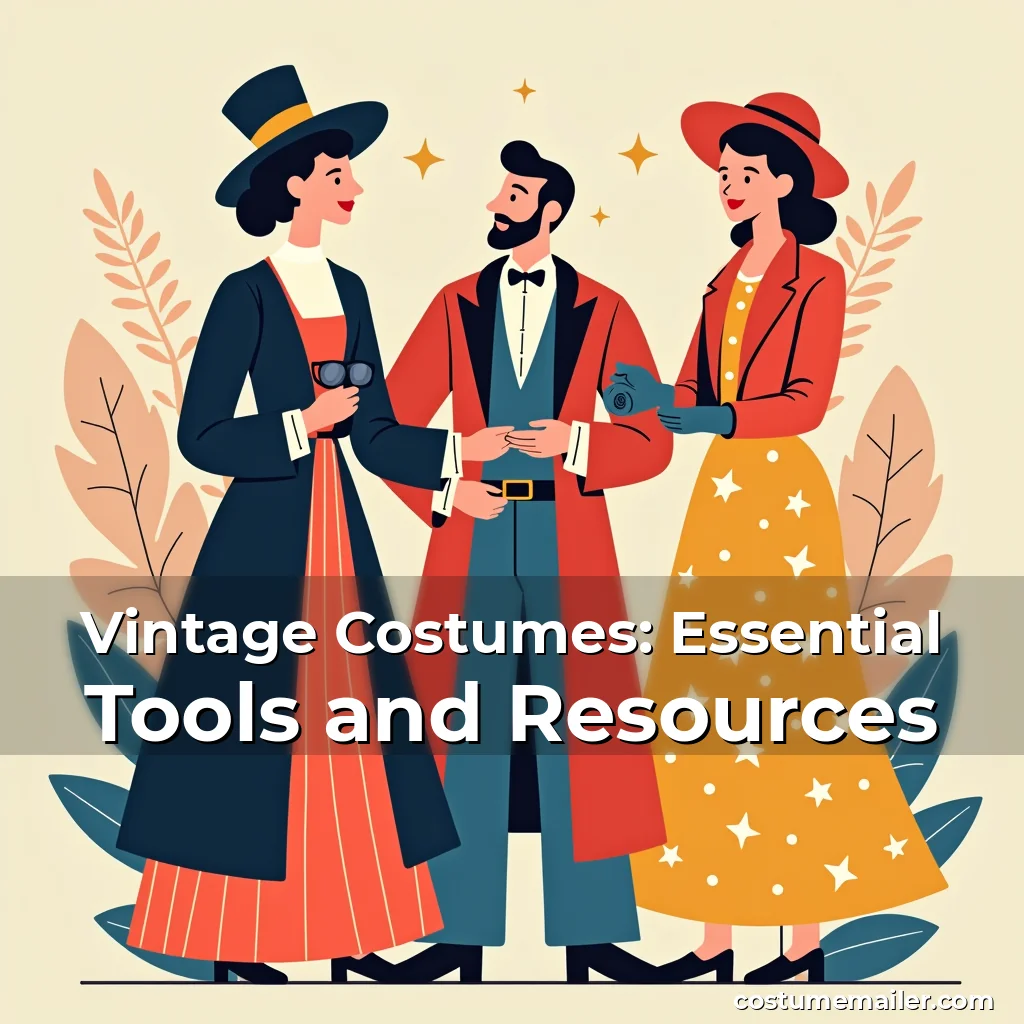
Accessories play an integral part in transforming any outfit into something truly representative of its period. From hats and gloves to jewelry and handbags, these elements add depth and character that cannot always be achieved solely through clothing itself.
Hats varied widely across cultures and timelines; for example, wide-brimmed top hats became synonymous with formalwear during British colonial rule, while cloche hats defined early twentieth-century femininity. Selecting accessories that match both style and function improves coherence within the chosen theme.
- Jewelry selection: Delicate chain necklaces were common during the Edwardian period, whereas bold statement pieces emerged later in the Art Deco era.
- Bags & purses: Handbag shapes evolved dramatically throughout history—from quilted leather satchels worn by women in the ’60s to minimalist designs favored now.
Preservation Techniques for Vintage Clothing
Maintaining the integrity of vintage clothes involves careful handling and storage methods. Exposure to sunlight can cause color fading, so storing garments away from direct light sources is vital. Using acid-free tissue paper between layers prevents creases forming permanently on delicate fabrics.
Proper cleaning procedures depend heavily upon fabric type and existing condition. Dry-cleaning options vary depending on whether dyes will bleed under water expo Regular inspections help catch potential issues early, ensuring longevity for cherished heirlooms or collectibles.
Storage Solutions for Long-Term Care
Investing in quality hangers made specifically for vintage apparel reduces strain on shoulders and collars, preventing distortion over time. Breathable containers lined with breathable cloth rather than plastic allow airflow necessary for preservation against mold growth caused by humidity buildup.
Prioritizing well-ventilated spaces avoids moisture accumulation around stored garments—an especially critical concern for those living in damp climates or regions prone to frequent rainfalls. Utilizing archival boxes provides additional protection against pests like moths or silverfish commonly attracted towards certain types of natural fibers.
Leveraging Technology for Costume Design Inspiration
Digital archives have revolutionized access to historical fashion references previously limited to academic institutions alone. Websites featuring extensive photo collections enable users worldwide to explore various epochs easily without traveling great distances physically.
Using digital tools facilitates experimentation with virtual try-ons or pattern adjustments prior committing actual resources toward material purchases. Software programs simulate how colors appear under different lighting conditions helping predict final outcomes accurately even before cutting fabric samples.
- Online museums: Platforms like Google Arts & Culture host curated exhibitions showcasing rare artifacts including clothing items never seen publicly outside specialized galleries.
- Social media groups: Hashtags related to #vintagecostume or similar terms connect enthusiasts globally sharing tips, tutorials, and showcases daily.
Educational Opportunities Within the Community
Engaging with educational courses offered locally or virtually expands technical skill sets beyond basic sewing abilities. Workshops focusing on traditional tailoring techniques teach hands-on approaches seldom covered thoroughly within general home economics classes taught earlier generations.
Participating in collaborative projects fosters networking opportunities with fellow members passionate about historical dressmaking. Such interactions lead naturally into mentorship relationships beneficial for newcomers seeking guidance navigating complex aspects involved with recreating intricate period-specific ensembles.
- University programs: Several universities incorporate costume studies into theater departments providing structured learning paths combining theory with practical experience.
- Community centers: Local libraries sometimes sponsor lectures series covering topics ranging from textile science up-to-date conservation ethics regarding fragile specimens requiring special care.
Fashion Shows and Exhibitions Featuring Vintage Styles
Attending events celebrating vintage fashions offers firsthand encounters with beautifully restored originals alongside contemporary reinterpretations thereof. Fashion weeks held annually feature runway shows spotlighting both classic looks reborn freshly updated versions reflecting current trends.
Exhibitions hosted by museums serve dual purposes—they educate visitors simultaneously entertaining them visually compelling displays arranged chronologically showing evolution styles systematically across centuries. These experiences enrich cultural awareness promoting deeper respect towards heritage preserved via thoughtful curation efforts undertaken curators working tirelessly behind scenes.
- Renewed classics: Modern adaptations maintain core characteristics defining original forms yet infuse fresh perspectives through innovative construction methods utilizing sustainable practices whenever feasible.
- Historical narratives: Curated exhibits contextualize individual garments placing them within broader socio-political frameworks illuminating reasons why specific aesthetics gained popularity during certain moments history.
Contributing Back To The Vintage Costume Community
Sharing knowledge gained contributes positively reinforcing collective wisdom shared amongst participants actively engaged field. Documenting findings meticulously supports future researchers needing reliable information tracing lineage developments spanning multiple millennia.
Volunteering expertise benefits organizations striving preserve endangered traditions threatened obsolescence due shifting consumer preferences favoring convenience over craftsmanship traditionally associated handmade goods produced small scale operations versus mass-produced alternatives readily available commercially today.
- Knowledge dissemination: Writing articles detailing discoveries published online increases visibility attracts wider audience interested diving deeper subject matter explored briefly here.
- Collaborative ventures: Joining forces others enables tackling ambitious undertakings exceeding capabilities single person managing entire project independently would otherwise prove unmanageable logistically.
Conclusion
Vintage costumes represent much more than mere relics of the past—they embody rich histories woven intricately together through countless human experiences shaping identities continuously evolving nature culture itself.
By embracing technologies aiding exploration while respecting foundational principles guiding creation process ensures continued relevance movement forward keeping alive legacy enduring charm characteristic hallmark distinctive appeal uniquely positioned bridge gap connecting present-day realities ancestral roots firmly anchored securely within soil fertile ground nurturing creativity boundless imagination capable blossoming flourish thrive amidst ever-changing landscape global society.

news is a contributor at CostumeMailer. We are committed to providing well-researched, accurate, and valuable content to our readers.
You May Also Like
Related Articles