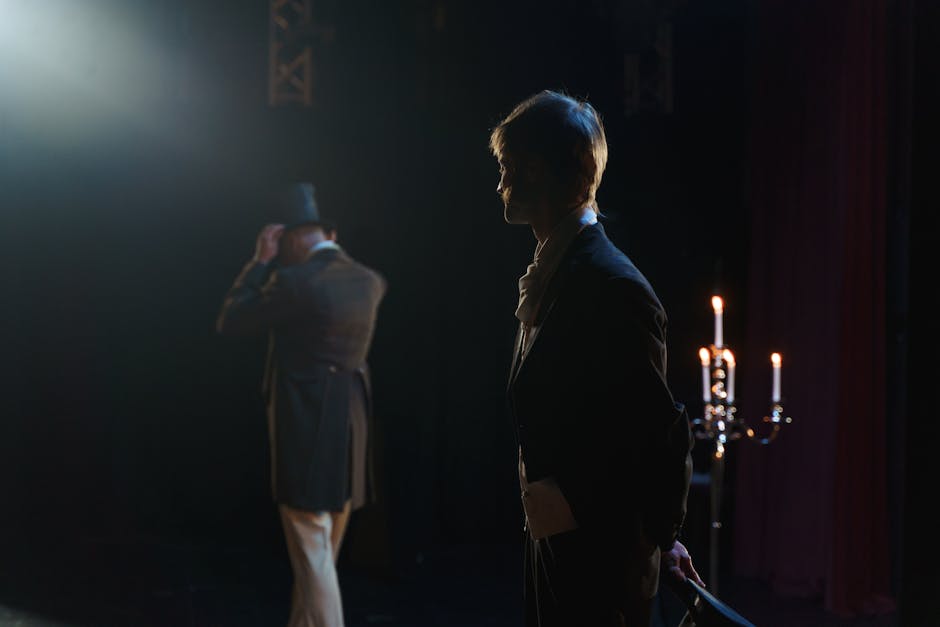
When the curtain rises on a stage production, the audience is instantly transported into another world. While set design, lighting, and music all contribute to this magic, costumes play one of the most essential roles in shaping that illusion.A costume is never just clothing—it’s a tool of storytelling.
Costumes define characters, set the time and place, hint at class or profession, and sometimes even symbolize a deeper theme within the play. A banker in a crisp suit, a peasant in tattered clothing, or a fairy in flowing silks—each communicates volumes before the actor even speaks a word.
This blog explores the many types of costumes used in theatre and their importance, with examples ranging from historical period dramas to fantasy spectacles.
Why Are Costumes Important in Theatre?
It’s hard to imagine a theatrical production without costumes. Costumes:
-
Establish identity: Age, gender, occupation, and personality traits can be expressed instantly.
-
Set the period: A Shakespearean gown or 1920s flapper dress instantly sets the scene.
-
Reinforce themes: Colors, textures, and accessories can symbolize emotions or ideas.
-
Enhance storytelling: They allow audiences to suspend disbelief and immerse themselves in the world of the play.
As the saying goes, “the costume speaks before the actor does.”
The Many Types of Costumes in Theatre
Theatre costumes come in many styles, each tailored to the genre, story, and production design. Let’s break them down:
1. Character Costumes
This is the most common type of costume. Character costumes are designed to reflect the personality, status, and story arc of a specific role.
-
Example: In The Importance of Being Earnest, Lady Bracknell wears luxurious gowns with elaborate hats, showcasing her wealth and social standing.
-
Example: In Hamilton, Alexander Hamilton’s green coat contrasts with George Washington’s regal military uniform, highlighting the difference in their roles.
Character costumes must be tailored carefully, as they help the audience believe in the transformation of an actor into their role.
2. Period Costumes
Period costumes recreate the clothing of a specific historical era. These are especially vital in productions like Shakespeare plays, Greek tragedies, or Victorian dramas.
-
Authenticity matters. A play set in 16th-century England must reflect Elizabethan fashion—ruffled collars, gowns, and doublets.
-
Details tell a story. For example, a nobleman’s cloak might be lined with fur, while a servant’s tunic would be plain and rough.
Period costumes immerse audiences in history, ensuring they feel the authenticity of time and place.
3. Folk and Ethnic Costumes
Folk costumes are used in plays or dances that reflect cultural traditions. These are often colorful, symbolic, and highly detailed.
-
Example: In a traditional Indian folk drama, actors might wear saris, turbans, or dhotis, with fabrics reflecting regional weaves.
-
Example: In a Greek folk dance performance, the “fustanella” (pleated skirt) is used for men, symbolizing national pride.
These costumes are not only clothing but cultural identity on stage, helping audiences connect with traditions and heritage.
4. Fantasy Costumes
When plays move beyond realism, fantasy costumes allow designers to dream big. These are commonly seen in pantomime, opera, or children’s theatre.
-
Fairies, witches, aliens, or mythical creatures come alive through exaggerated silhouettes, glittering fabrics, and surreal colors.
-
Example: Titania and Oberon in A Midsummer Night’s Dream often wear fantastical flowing garments with shimmering wings.
-
Example: Wicked witches may wear oversized cloaks, pointed hats, and heavily stylized makeup.
Fantasy costumes break free of rules and rely heavily on imagination, giving audiences a sense of wonder.
5. Symbolic or Abstract Costumes
In avant-garde and experimental theatre, costumes may not be literal. Instead, they represent ideas, emotions, or themes.
-
Example: A character representing death may wear a simple black robe, regardless of time period.
-
Example: A play about greed might show a character draped entirely in gold fabric.
Here, costumes become visual metaphors, helping to communicate abstract concepts without words.
6. Realistic Costumes (Street Clothes)
Realistic costumes mimic everyday clothing that you’d see in real life.
-
Example: In modern dramas like A Raisin in the Sun, characters wear clothing appropriate for working-class African American families in 1950s Chicago.
-
Example: A contemporary play might show teenagers in jeans, t-shirts, and sneakers to reflect their lifestyle.
These costumes are subtle, but they matter because they anchor the play in reality.
7. Uniforms and Occupational Costumes
Occupational costumes instantly identify a character’s role in society.
-
Police uniforms, doctor’s coats, soldier’s armor, or priest’s robes are classic examples.
-
Example: In Les Misérables, the uniforms of French soldiers and revolutionaries contrast sharply, helping audiences track the conflict visually.
Such costumes signal authority, duty, and societal roles.
8. Animal Costumes
In theatre, animals are often personified through costume.
-
Example: In The Lion King (Broadway), intricate headpieces and costumes turn actors into lions, zebras, and hyenas.
-
Example: In children’s theatre, animal costumes may be simple (ears and tails) or elaborate (full-body suits).
Animal costumes allow humans to embody creatures, whether for realism or symbolism.
9. Grotesque and Comedic Costumes
Comedy often exaggerates costumes for humor. Grotesque costumes can be oversized, oddly shaped, or absurd.
-
Example: In commedia dell’arte, characters like Harlequin wear brightly patterned costumes, emphasizing physical comedy.
-
Example: A clown’s oversized shoes, polka-dot suit, and red nose are designed purely for laughter.
These costumes enhance comedic timing and exaggerate characters’ flaws.
10. Dance and Movement Costumes
Dance productions require costumes designed with movement in mind.
-
Ballet costumes (like tutus) must be lightweight and flexible.
-
Modern dance often uses simple, body-hugging garments to highlight the dancer’s physicality.
The design ensures performers move freely without distraction, while still matching the aesthetic of the piece.
The Role of Accessories in Theatre Costumes
Accessories are often overlooked but play a crucial supporting role in costume design.
-
Hats: Instantly transform characters (a cowboy hat, a crown, or a beret).
-
Jewelry: Shows wealth or status.
-
Shoes: Period-appropriate footwear completes the illusion.
-
Props-as-costumes: Items like umbrellas, swords, or walking sticks often blur the line between prop and accessory.
Sometimes, accessories alone can signal a character type—like a doctor with a stethoscope or a scholar with glasses.
Costume Design Considerations
A costume designer must consider:
-
Historical accuracy (for period plays).
-
Fabric choice (wool vs. silk vs. synthetic).
-
Color psychology (red for power, white for purity).
-
Durability (costumes must survive dozens of performances).
-
Actor comfort (too heavy, hot, or restrictive costumes affect performance).
The best designs blend authenticity, symbolism, and practicality.
Conclusion
Theatre costumes are more than just “dressing up.” They are an art form that merges fashion, history, symbolism, and storytelling. From realistic street clothes to extravagant fantasy outfits, costumes guide the audience’s perception and bring the director’s vision to life.
Whether it’s a hippie teenager in tie-dye, a medieval knight in armor, or a fairy queen in glittering wings, every costume on stage has a purpose: to help tell the story.

Costume Mailer is a contributor at CostumeMailer. We are committed to providing well-researched, accurate, and valuable content to our readers.
You May Also Like

Related Articles