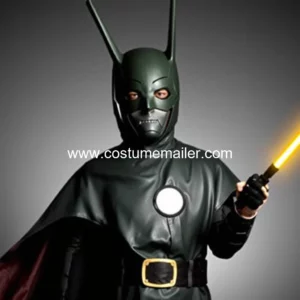
It’s October again—the leaves crunch underfoot, pumpkin spice fills the air, and store shelves overflow with costumes ranging from cute superheroes to terrifying monsters. For many, Halloween is more than just a holiday; it’s a chance to experiment, reinvent, and express ourselves in ways we may not feel free to do in our everyday lives. But have you ever stopped to wonder: Why did I choose this costume? Or What does this say about me?
Psychologists suggest that our Halloween costumes can act as a fascinating window into our personalities, desires, fears, and even our social strategies. Dressing up is not just about looking good at a party—it’s about identity, imagination, and sometimes, the sides of ourselves we keep hidden the rest of the year.
In this article, we’ll explore the psychology behind Halloween costumes, covering:
-
Why choosing a costume feels so important
-
How dressing up vs. not dressing up reflects personality differences
-
The symbolism of popular costumes (witches, vampires, animals, superheroes, etc.)
-
What child vs. adult costume choices reveal about psychology
-
The deeper role of masks, archetypes, and fantasy in human behavior
So grab your pumpkin latte and let’s dive into the spooky science of self-expression.
1. Why Do We Dress Up for Halloween?
At its core, Halloween costume selection taps into one of the most fundamental aspects of psychology: identity exploration.
Psychologist Dr. Joanna Weinberg puts it best: “Halloween is an opportunity to experiment with different identities.” For one night a year, we are given social permission to transform into whoever—or whatever—we want. That might mean embracing a darker alter ego, becoming a fantasy hero, or simply going for laughs.
This urge to dress up can be traced back to three major psychological drives:
-
Escapism: Life can be stressful. Becoming someone else for a night gives us a mental break from responsibilities and routines.
-
Expression: Costumes allow us to signal our humor, creativity, or passions (like a lifelong love for Disney or superheroes).
-
Empowerment: A mask, cape, or crown can create a sense of confidence and freedom we don’t usually feel.
Think of it like this: your everyday clothes project who you are; your Halloween costume projects who you wish to be—or at least who you want people to think you are for one night.
2. Dressing Up vs. Not Dressing Up
Interestingly, some people love Halloween costumes, while others avoid them altogether. Psychology has an explanation for that too.
-
Costume Enthusiasts: Those who dive into Halloween are often more extroverted, creative, and open to new experiences. They see costumes as a stage to perform or experiment socially.
-
Minimalist Dressers: Some choose a simple mask, a funny T-shirt, or no costume at all. This can indicate practicality, introversion, or even resistance to conformity (“I don’t need a costume to have fun”).
-
The Non-Participants: Skipping costumes entirely can reflect discomfort with role-play, social anxiety, or simply not valuing fantasy play. In some cases, though, it’s an intentional act of rebellion against the holiday’s expectations.
In other words, whether you dress up or not says just as much about your psychology as the costume itself.
3. The Symbolism Behind Popular Costumes
Each costume comes with cultural and psychological baggage. Let’s explore what some of the most common ones say about personality:
Witches
Witches are one of the most popular Halloween costumes of all time. Psychologically, dressing as a witch is often about tapping into hidden power. Witches represent wisdom, independence, and rebellion against authority (since historically they were punished for being “different”). Modern witch costumes often project confidence, sexuality, and mystery.
Vampires
Vampires represent seduction, immortality, and danger. Choosing this costume often signals a fascination with power and control. It may also indicate a love for gothic romance and the thrill of being feared yet admired.
Zombies
The zombie surge reflects collective anxieties—about conformity, consumerism, or even pandemics. Psychologically, zombie costumes let people play with fear and chaos in a safe, fun way. It’s about becoming mindless for a night, breaking free from responsibility.
Superheroes
Superhero costumes are about empowerment and aspiration. Dressing as Batman, Wonder Woman, or Spider-Man reflects an admiration for strength, justice, or resilience. On a deeper level, it reveals a desire to be seen as capable, admired, or heroic.
Animals (Cats, Dogs, Lions, etc.)
-
Cat costumes suggest mystery, flirtation, and independence. Cats are enigmatic creatures, and dressing as one taps into playful but secretive energy.
-
Dog costumes reflect loyalty, friendliness, and openness. People who dress as dogs may be signaling their approachable, humorous side.
-
Predator animals (lions, tigers, wolves) often represent strength, dominance, and a desire to project confidence.
Funny/Parody Costumes
From giant bananas to pun-based costumes (“cereal killer”), these reflect creativity, playfulness, and a desire for attention. Psychologists suggest humor costumes are chosen by extroverts who thrive on being the center of social interaction.
Sexy Costumes
Sexy witches, nurses, vampires, or superheroes all serve the same psychological function: amplifying confidence. For some, it’s about empowerment—reclaiming their sexuality on their own terms. For others, it’s about attention-seeking or fitting in with cultural trends.
4. Halloween as Identity Play
One of the most fascinating aspects of Halloween is how costumes allow us to explore parts of ourselves we usually suppress.
-
The shy person may dress as a flamboyant rock star.
-
The bossy person may choose a villain.
You Might Also Enjoy: How To Make The Perfect Captain America Costume (DIY) -
The carefree jokester may shock everyone with a horrifying zombie look.
Psychologists call this “the alter ego effect.” Costumes function as masks, freeing us from normal social expectations. In essence, people feel safer trying out new traits when they’re “not themselves.”
This aligns with research showing that wearing a costume or mask can alter behavior. In social psychology, this is linked to the concept of deindividuation—when people feel anonymous, they are more likely to act outside their normal personality. Halloween, therefore, is like a giant social experiment in identity and behavior.
5. Kids vs. Adults: What Costume Choices Reveal
Halloween means something different depending on age:
-
Children: For kids, costumes are about imagination and aspiration. They often choose to be superheroes, princesses, or animals they admire. Costumes let them play at being who they want to grow up to be.
-
Teenagers: Teens lean toward rebellion—scarier, gorier, or edgier costumes. This reflects their developmental stage of testing boundaries and seeking independence.
-
Adults: For grown-ups, costumes become layered. Sometimes they reflect nostalgia (dressing as childhood favorites), social roles (group costumes), or even self-expression of hidden desires (sexy or villainous characters).
6. Cultural and Historical Roots of Masking
The psychology of costumes isn’t new. Across history, humans have used masks and disguises in rituals, theater, and war. Masks often represented:
-
Power: Shamans wearing animal masks to channel spirits.
-
Transformation: Actors in ancient Greek theater using masks to embody characters.
-
Fear: Warriors painting faces to intimidate enemies.
Halloween continues this tradition. By disguising ourselves, we borrow power from the character we portray—whether that’s the strength of a superhero or the mystery of a vampire.
7. What Your Halloween Costume Says About You
Here’s a quick personality breakdown for fun:
-
Witch/Vampire: You enjoy power, charisma, and a touch of danger.
-
Zombie/Mummy: You don’t take yourself too seriously; you enjoy chaos and play.
-
Superhero: You’re ambitious and want to inspire or impress others.
-
Animal: You’re playful and expressive but also like symbolism (mystery cat, loyal dog, bold lion).
-
Funny/Parody: You thrive on laughter and social connection.
-
Scary Monster: You like thrill-seeking and enjoy pushing boundaries.
-
Sexy Costume: You’re confident (or trying to be!) and enjoy being noticed.
Of course, these are generalizations—but they highlight the rich psychological motivations behind even the simplest choice.
8. Conclusion: Costumes as Mirrors of the Self
Halloween isn’t just about candy and decorations—it’s a psychological playground. Whether you dress as a terrifying ghoul, a noble superhero, or a goofy pun, your costume reflects deeper truths about your identity, desires, and how you want to be seen by others.
Next time you’re at a Halloween party, take a look around. The costumes might seem silly, but each one tells a story. And the best part? For one magical night, we all get to step into those stories and live them out.
So—what are you going to be this year?

Costume Mailer is a contributor at CostumeMailer. We are committed to providing well-researched, accurate, and valuable content to our readers.
You May Also Like

Related Articles